








The Trump wildlife rule is a controversial new regulation affecting endangered species. This rule has sparked significant debate among conservationists and legal experts alike.
Understanding the Trump Wildlife Rule
The Trump wildlife rule, officially enacted in 2020, has raised significant concerns among environmentalists and conservationists. This regulation alters the framework for protecting endangered species, shifting the focus from preservation to management that may favor economic interests.
Under the new rule, agencies like the U.S. Fish and Wildlife Service and the National Oceanic and Atmospheric Administration are given greater leeway in assessing the impacts of proposed activities on endangered species. Critics argue that this could lead to a decline in protections for vulnerable species and their habitats.
Key aspects of the Trump wildlife rule include:
- Streamlined Processes: The rule simplifies the evaluation process for projects that could harm endangered species, potentially allowing faster approvals for development projects.
- Economic Considerations: Economic benefits are prioritized over ecological impacts, leading to concerns about the long-term sustainability of species at risk.
- Removal of Protections: Certain protections previously guaranteed under the Endangered Species Act may be weakened, reducing habitat conservation efforts.
Opponents of the rule argue that these changes undermine decades of progress in wildlife conservation. As legal battles continue, the future of many endangered species hangs in the balance, prompting calls for a reassessment of these policies.
Implications for Endangered Species
The Trump wildlife rule has raised significant concerns among environmentalists and conservationists regarding its implications for endangered species. The regulation, which eases restrictions on hunting and trapping of various species, poses a direct threat to the delicate balance of ecosystems.
One major consequence of the Trump wildlife rule is the potential for increased mortality rates among already vulnerable populations. As hunting becomes less regulated, species that are already on the brink of extinction could face further declines. This rule could lead to:
- Increased Hunting Pressure: With fewer restrictions, hunters may exploit loopholes, leading to unsustainable hunting practices.
- Habitat Disruption: The rule may encourage activities that harm critical habitats, exacerbating the challenges faced by endangered species.
- Loss of Biodiversity: As certain species are targeted, the overall biodiversity of ecosystems may suffer, disrupting food chains and ecological stability.
Moreover, the rule undermines decades of conservation efforts aimed at protecting endangered wildlife. Conservation groups argue that the rollback of these protections sends a troubling message about the value placed on biodiversity and the responsibility to safeguard our natural heritage.
In light of these implications, many are calling for a reassessment of the Trump wildlife rule to ensure that the survival of endangered species remains a top priority.
Legal Challenges Ahead
As the Trump wildlife rule comes under scrutiny, legal challenges are anticipated from various environmental groups and state officials. These opponents argue that the rule undermines decades of conservation efforts and threatens the survival of numerous endangered species.
Leading organizations, including the Center for Biological Diversity and the Defenders of Wildlife, have expressed their intention to file lawsuits against the administration. They contend that the rule violates the Endangered Species Act and fails to provide adequate protection for vulnerable wildlife.
Legal experts predict that these challenges could lead to prolonged court battles, as the implications of the Trump wildlife rule stretch far beyond immediate policy changes. Key points of contention include:
- The loosening of restrictions on the hunting and trapping of endangered species.
- The potential for increased habitat destruction, which could further endanger wildlife populations.
- The lack of scientific basis for the changes, raising concerns about the rule’s alignment with conservation goals.
With the potential for a lengthy judicial process, stakeholders are preparing for a fight that may define the future of wildlife protection in the United States. As the situation develops, the outcome of these legal challenges will be critical in determining the fate of many endangered species.
Conservationist Reactions
Conservationists have expressed deep concern regarding the newly implemented Trump wildlife rule, which they argue poses a significant threat to already vulnerable species. Many environmental advocates believe that this regulation undermines decades of progress made in wildlife protection efforts.
According to Dr. Emily Thompson, a leading conservation biologist, “The Trump wildlife rule represents a drastic shift in how we manage our natural resources. It prioritizes economic gain over ecological stability, potentially leading to the extinction of several endangered species.”
Critics have pointed out that this rule could facilitate practices such as hunting and trapping that were previously restricted under stricter regulations. Some of the specific concerns include:
- Increased hunting quotas for endangered species, which could destabilize their populations.
- Looser restrictions on habitat destruction, putting critical ecosystems at risk.
- Reduced funding for conservation programs, leaving wildlife management in jeopardy.
Many organizations, including the Wildlife Conservation Society and the Defenders of Wildlife, are mobilizing to challenge the legality of the Trump wildlife rule. They argue that the rule contradicts the foundational principles of the Endangered Species Act and could lead to dire consequences for biodiversity.
Public Opinion on Wildlife Regulations
Public opinion on the Trump wildlife rule has been sharply divided, reflecting broader societal views on environmental conservation versus economic development. Many people express concern about the potential ramifications of easing regulations on endangered species. Surveys indicate that a significant portion of the population believes wildlife protections are essential for maintaining biodiversity and ecological balance.
Supporters of the Trump wildlife rule argue that it promotes economic growth and local job creation, often citing the need for greater access to natural resources. They contend that responsible management can coexist with wildlife conservation. However, critics highlight the risks associated with prioritizing economic interests over environmental protections.
Among various demographics, younger generations tend to favor stricter regulations on wildlife protection. They argue that long-term sustainability should take precedence over short-term gains. Conversely, older populations may lean towards supporting the rule, emphasizing the importance of development in their communities.
According to a recent poll:
- 65% of respondents believe that endangered species should be protected by stronger regulations.
- 72% agree that the government should prioritize conservation efforts.
- 54% of rural residents support the Trump wildlife rule.
Overall, the debate continues as stakeholders weigh the impacts of the Trump wildlife rule on both the economy and the environment.
Comparing Past and Present Policies
Comparing past and present policies regarding wildlife conservation reveals a stark contrast in approach and commitment to protecting endangered species. Historically, U.S. wildlife regulations emphasized the preservation of ecosystems and the protection of vulnerable species. The Endangered Species Act, enacted in 1973, aimed to provide a robust framework to safeguard species at risk of extinction. This legislation fostered collaboration between federal agencies, conservation organizations, and local communities, promoting a holistic approach to wildlife management.
However, the Trump wildlife rule represents a significant departure from these foundational principles. Under this new policy, the administration prioritized economic interests over ecological preservation, permitting practices that could lead to the decline of already endangered species. This shift reflects a growing trend in which legal protections are weakened in favor of development and resource extraction.
Critics argue that the current administration’s approach undermines decades of conservation efforts and sets a dangerous precedent for future wildlife policies. Key aspects of previous regulations, such as habitat protection and critical habitat designations, have been rolled back, raising concerns about the long-term survival of many species.
As stakeholders continue to evaluate the effects of the Trump wildlife rule, the need for a balanced approach that harmonizes human activity with ecological integrity remains paramount.
Future of Endangered Species Protection
The future of endangered species protection remains uncertain in the wake of the Trump wildlife rule. As various stakeholders grapple with its implications, many conservationists are concerned about the broader consequences for biodiversity.
According to experts, the rollback of protections could lead to significant declines in vulnerable populations. The following factors are contributing to a precarious outlook:
- Habitat Loss: The weakening of regulations may facilitate development and land-use changes that encroach on critical habitats, further threatening endangered species.
- Increased Hunting and Trapping: The rule may allow for more aggressive hunting and trapping of at-risk species, raising concerns about population sustainability.
- Climate Change Effects: As climate change intensifies, many species are already under duress, making legal protections more crucial than ever.
- Funding and Resources: Conservation programs may suffer from budget cuts, leaving fewer resources available to support recovery efforts.
As the debate continues, conservationists are urging the public to advocate for stronger protections. The reality is that the Trump wildlife rule poses a significant threat to already endangered species, potentially reversing decades of progress in wildlife conservation.
In this climate of uncertainty, it is essential for both policymakers and the public to engage in meaningful discussions about the future of wildlife protection.
What You Can Do to Help
The recent changes under the Trump wildlife rule have raised significant concerns among conservationists and wildlife advocates. However, individuals can take meaningful steps to help protect endangered species and mitigate the impacts of this regulation.
Here are some actions you can consider:
- Educate Yourself: Understanding the nuances of the Trump wildlife rule and its implications is crucial. Stay informed by reading articles, attending webinars, and following reputable conservation organizations.
- Advocate for Change: Contact your local representatives and express your concerns regarding the Trump wildlife rule. Make your voice heard in public forums and advocate for policies that prioritize wildlife protection.
- Support Conservation Organizations: Donate to or volunteer with groups that work on the front lines of wildlife conservation. These organizations often have initiatives specifically aimed at countering negative regulations.
- Promote Responsible Practices: Encourage sustainable practices within your community, such as responsible land use, wildlife-friendly gardening, and support for local biodiversity.
- Engage in Citizen Science: Participate in citizen science projects that monitor and protect local wildlife populations. Data collected can help inform conservation efforts.
Your involvement can have a significant impact on the preservation of endangered species and push back against harmful regulations like the Trump wildlife rule.
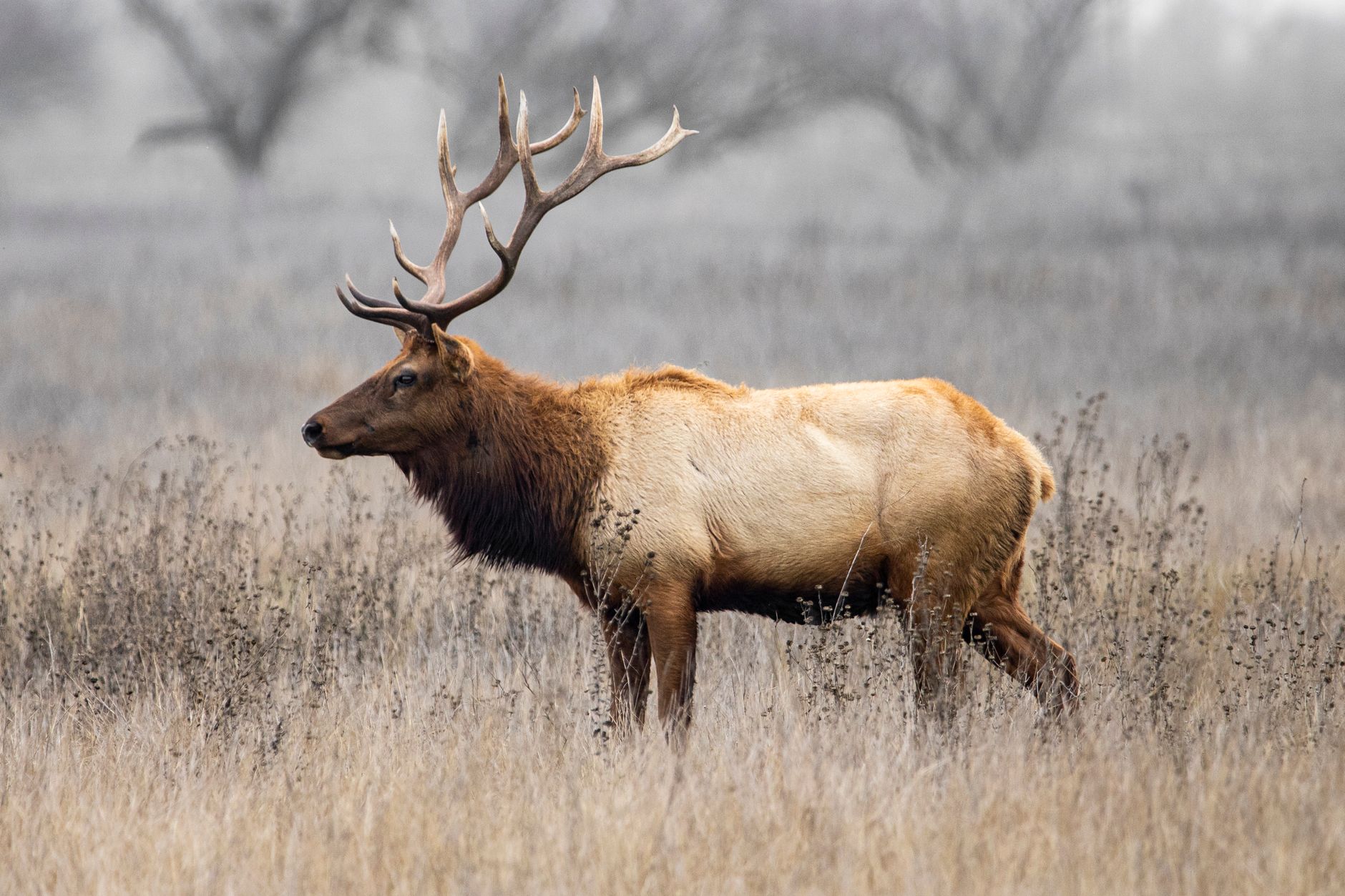
Photo by Aaron Brewer on Pexels