









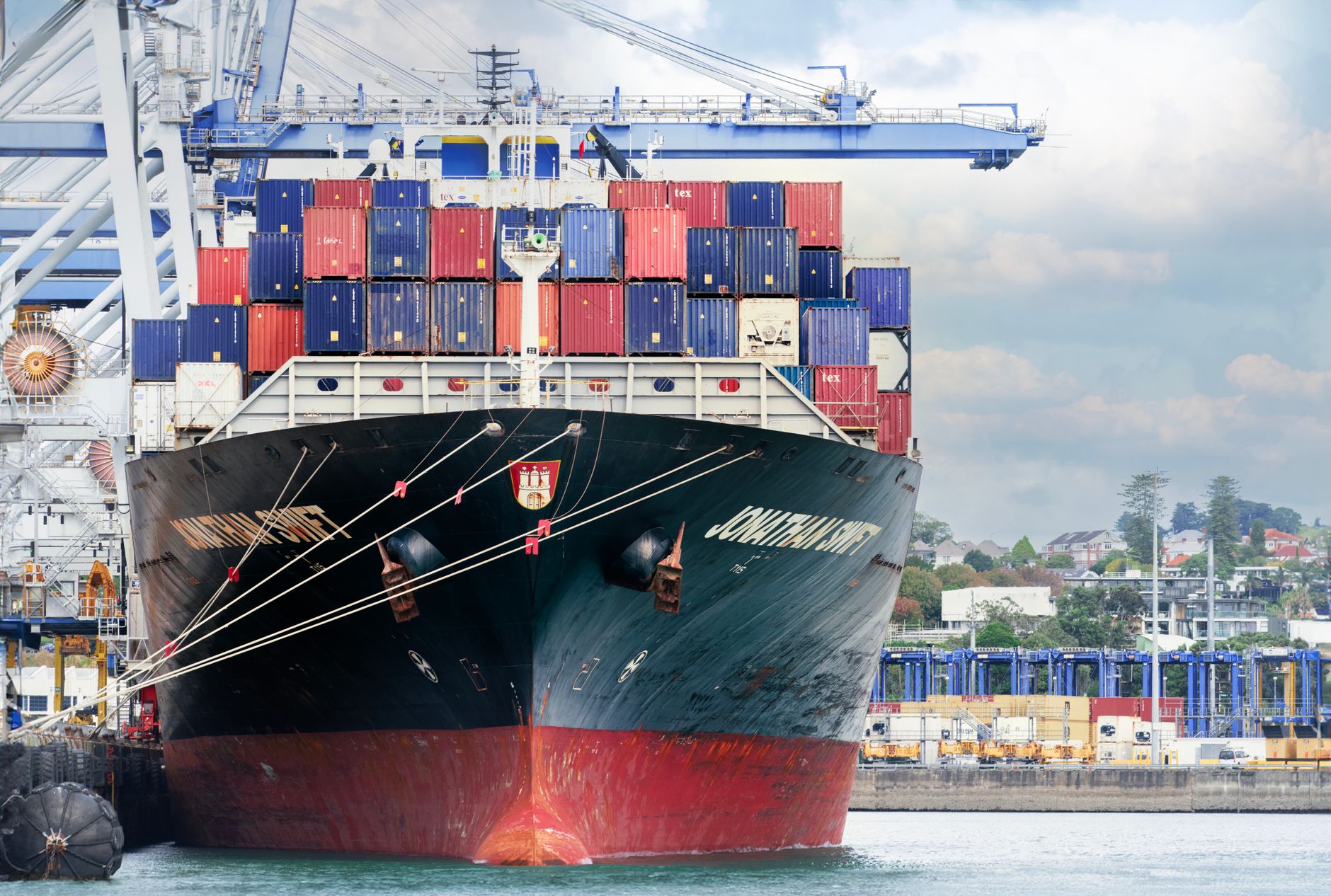
The India New Zealand trade pact is set to come into force on October 20, promising enhanced trade relations and economic benefits for both countries.
Overview of the India New Zealand Trade Pact
The recently announced India New Zealand trade pact is set to take effect on October 20, marking a significant milestone in the bilateral relations between the two nations. This agreement aims to enhance trade and investment opportunities, fostering economic growth and cooperation.
Under this pact, both countries are expected to benefit from a reduction in tariffs on a wide range of goods, making exports more competitive. The key objectives of the agreement include:
- Facilitating Trade: The pact seeks to streamline customs procedures and reduce bureaucratic hurdles, enabling smoother trade flows.
- Enhancing Market Access: Indian businesses will gain improved access to New Zealand’s markets, particularly in sectors such as pharmaceuticals, textiles, and agriculture.
- Encouraging Investment: The agreement aims to create a favorable environment for investments, allowing businesses from both countries to explore new opportunities.
- Cultural Exchange: Beyond economic benefits, the pact encourages cultural and educational exchanges, strengthening people-to-people ties.
As both nations look to recover from the impacts of the global pandemic, this trade pact is poised to play a crucial role in revitalizing their economies and enhancing bilateral cooperation in various sectors. The partnership embodies a commitment to mutual growth and prosperity.
Key Benefits for India and New Zealand
The recently established India New Zealand trade pact is poised to deliver significant advantages for both nations, fostering economic growth and enhancing bilateral relations.
For India, the trade pact offers:
- Increased Market Access: Indian exporters will benefit from reduced tariffs, making it easier to access New Zealand’s market for various goods, including textiles, pharmaceuticals, and agricultural products.
- Boost to Investments: The agreement is expected to attract New Zealand investments in sectors such as technology, renewable energy, and infrastructure, thereby creating job opportunities in India.
- Strengthening Trade Relations: This pact marks a significant step in enhancing trade ties, building a robust economic partnership that can lead to further collaborations in the future.
On the other hand, New Zealand stands to gain through:
- Diversification of Export Markets: The trade pact will allow New Zealand exporters to tap into the vast Indian market, especially for dairy products, meat, and wine.
- Access to Skilled Workforce: The agreement opens avenues for New Zealand companies to collaborate with Indian tech firms, leveraging the country’s rich talent pool.
- Strengthened Diplomatic Ties: The pact not only enhances trade but also solidifies the diplomatic relationship between the two countries, promoting mutual understanding and cooperation.
Overall, the India New Zealand trade pact is a strategic move that promises clear benefits for both nations, paving the way for a prosperous future.
Implementation Timeline and Next Steps
The implementation of the India New Zealand trade pact is set to begin on October 20, 2023, marking a significant milestone for both nations. This timeline has been confirmed by Indian officials, who emphasize the urgency and importance of this agreement.
In the lead-up to the pact’s initiation, both governments are taking steps to ensure a smooth transition. The following actions are crucial for effective implementation:
- Finalization of Regulatory Frameworks: Both countries are working on finalizing the necessary regulatory frameworks that will facilitate trade and investment flows. This includes streamlining customs procedures and addressing tariff reductions.
- Awareness Campaigns: To maximize the benefits of the India New Zealand trade pact, both nations plan to launch awareness campaigns aimed at businesses and exporters. These campaigns will provide information on how to leverage the opportunities presented by the agreement.
- Monitoring Mechanisms: Establishing monitoring mechanisms will be essential for assessing the impact of the trade pact on both economies. Regular evaluations will help identify areas for improvement and ensure that the pact meets its intended goals.
As the launch date approaches, stakeholders from various sectors are optimistic about the potential growth and collaboration that this trade agreement will foster, benefiting both India and New Zealand in the long term.
Reactions from Business Leaders
Business leaders from both India and New Zealand have expressed optimism regarding the newly signed trade pact, emphasizing its potential to significantly boost economic ties between the two nations. The India New Zealand trade pact, which is set to come into force on October 20, has been hailed as a transformative agreement that will open new avenues for trade and investment.
Rakesh Sharma, CEO of a leading Indian export firm, commented, “This pact is a game changer for us. It will not only enhance our market access in New Zealand but also allow us to introduce our products with reduced tariffs, making them more competitive.”
Similarly, Emma Thompson, a prominent business leader from New Zealand, stated, “We are excited about the opportunities this agreement will create for our companies. The reduction in trade barriers is a significant step towards fostering stronger business collaborations.”
Industry experts suggest that the agreement will benefit various sectors, including agriculture, technology, and manufacturing. Many believe that the India New Zealand trade pact will pave the way for more direct investments, encouraging innovation and competitive pricing.
Overall, the sentiment among leaders is one of hope and anticipation, as both countries prepare to harness the benefits of this landmark agreement.
The India New Zealand trade pact is expected to enhance economic cooperation by reducing tariffs on various goods. As both countries explore new markets, the India New Zealand trade pact will create opportunities for businesses and boost bilateral investments.
Photo by Miguel Cuenca on Pexels