









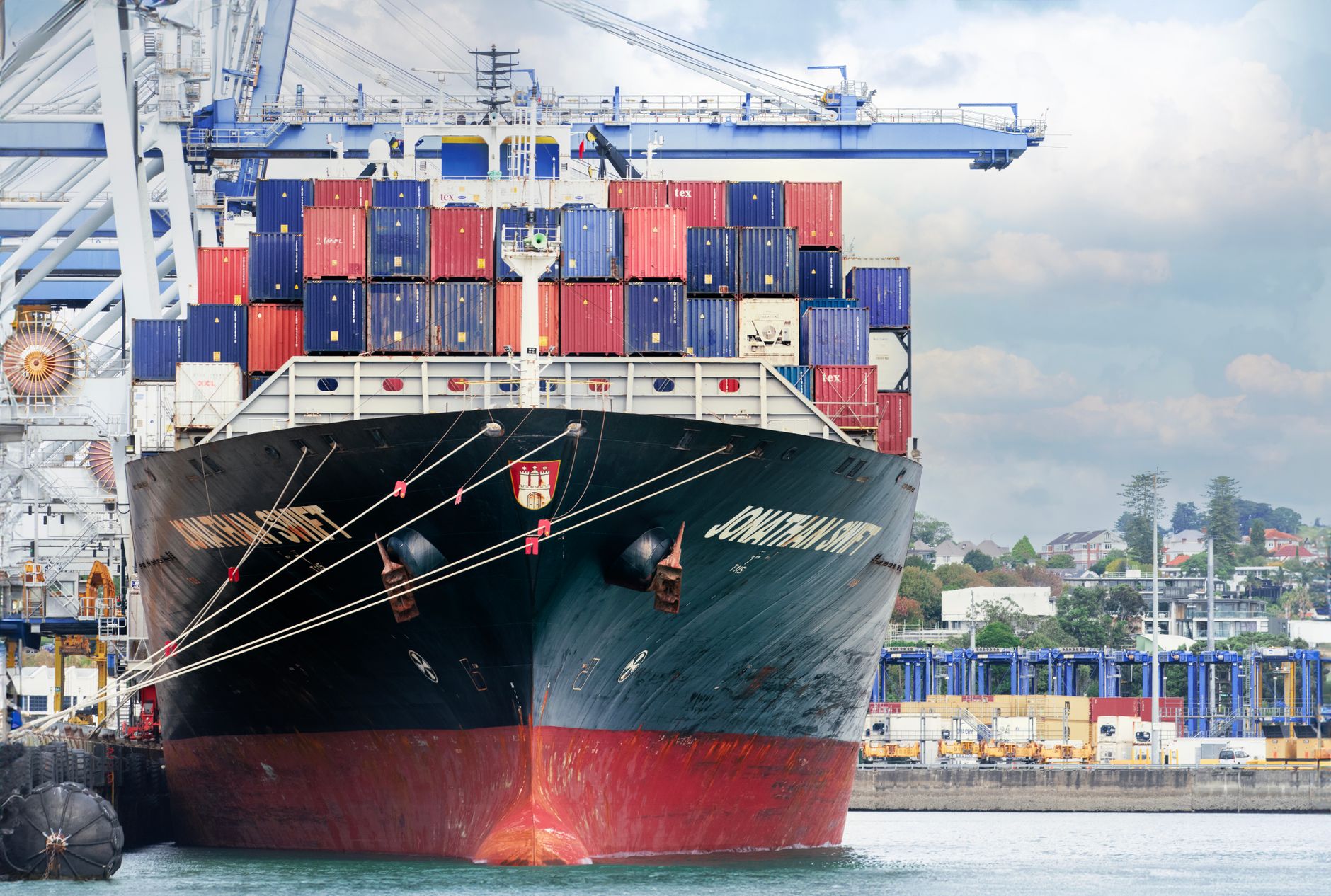
The New Zealand trade pact is set to take effect on Oct 20, providing businesses with easy duty-free access to new markets.
Overview of the New Zealand Trade Pact
The upcoming New Zealand trade pact, set to take effect on October 20, promises to significantly enhance the business landscape for local enterprises. By offering easy duty-free access, the pact aims to stimulate trade and economic growth across various sectors.
Key features of the trade pact include:
- Elimination of Tariffs: The agreement removes tariffs on a wide range of goods, allowing businesses to import and export without the burden of additional costs.
- Enhanced Market Access: Local companies will gain better access to international markets, expanding their reach and potential customer base.
- Support for Small Businesses: The pact includes provisions specifically designed to assist small and medium-sized enterprises in navigating international trade.
This agreement is expected to foster a more competitive environment and encourage innovation among New Zealand businesses. As the country prepares for the implementation of the trade pact, stakeholders are optimistic about its potential benefits and the opportunities it will create for economic growth.
Benefits of Duty-Free Access
The recently announced New Zealand trade pact is set to provide significant advantages for businesses looking to expand their market reach. Here are some key benefits of the duty-free access:
- Cost Savings: By eliminating tariffs, businesses can reduce their overall costs, allowing them to offer more competitive pricing to consumers.
- Increased Market Opportunities: Companies can tap into New Zealand’s growing economy, gaining access to new customers and business partnerships.
- Simplified Trade Processes: The pact aims to streamline customs procedures, making it easier for businesses to import and export goods.
- Diversification: Businesses can diversify their product offerings, tapping into New Zealand’s unique markets and consumer preferences.
- Enhanced Collaboration: The agreement fosters greater collaboration and innovation between local and international businesses, driving growth and development.
With the New Zealand trade pact taking effect on October 20, companies are encouraged to explore these benefits and prepare for the opportunities that lie ahead.
Key Dates for Implementation
The implementation of the New Zealand trade pact is set to unfold over several key dates, marking a significant milestone for businesses seeking duty-free access to this thriving market.
- October 20, 2023: The trade pact officially takes effect, providing immediate benefits to exporters and importers.
- November 15, 2023: A review meeting will be held to evaluate the initial impacts of the agreement on trade flows.
- January 1, 2024: Full duty-free access will be available for a select group of goods, facilitating smoother trade operations.
- April 1, 2024: The second phase of the pact will commence, expanding the list of products eligible for duty-free status.
- July 1, 2024: A follow-up assessment will provide insights into challenges and successes experienced by businesses.
These dates are crucial for stakeholders, as they prepare to navigate the new landscape created by the New Zealand trade pact and harness the potential advantages of easy duty-free access.
Impact on Businesses
The New Zealand trade pact is set to bring significant changes for businesses looking to expand their operations in the Asia-Pacific region. With the introduction of easy duty-free access, companies can expect a reduction in costs, allowing for greater competitiveness in international markets.
Many businesses are optimistic about the potential for increased exports, as the elimination of tariffs will enhance profit margins and encourage innovation. The following factors outline the anticipated impact on businesses:
- Cost Savings: Companies can save significantly on import duties, making it more affordable to source materials and products from New Zealand.
- Market Expansion: Duty-free access opens new avenues for businesses to explore, particularly in sectors like agriculture, technology, and manufacturing.
- Enhanced Supply Chains: The trade pact allows for more efficient supply chain management, reducing delays and costs associated with customs duties.
- Collaboration Opportunities: Businesses can collaborate more easily with New Zealand firms, fostering partnerships that can lead to innovation and growth.
Overall, the New Zealand trade pact represents a major opportunity for businesses to thrive in a dynamic global economy.
Legal Considerations for Trade
The implementation of the New Zealand trade pact brings several legal considerations that businesses must navigate to fully leverage the benefits of duty-free access. One of the primary aspects is compliance with the regulations set forth by both the New Zealand government and the trading partner countries. Companies will need to ensure that their products meet the necessary standards and requirements to qualify for tariff exemptions.
In addition to product standards, businesses should be aware of the documentation needed to prove eligibility for duty-free access. This includes certificates of origin, which verify that goods originate from a participating country. Failure to provide accurate documentation could result in penalties or the loss of benefits under the trade pact.
Furthermore, companies should consider potential changes in local laws that may arise from the trade agreement. It’s essential to stay informed about any amendments to trade regulations or customs procedures that could impact operations. Engaging with legal experts can help businesses navigate these complexities effectively.
In summary, understanding the legal landscape surrounding the New Zealand trade pact is crucial for businesses aiming to maximize their competitive edge.
Photo by Miguel Cuenca on Pexels