

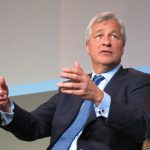

Trump El-Sayed jihadist allegations have sparked controversy ahead of the Michigan rally. The claims highlight ongoing tensions surrounding political rhetoric and perceptions of law in the state.
Understanding the Context of Trump’s Claims
In the lead-up to a significant rally in Michigan, former President Donald Trump made controversial claims regarding Dr. Abdul El-Sayed, a prominent political figure in the state. Trump labeled El-Sayed a “jihadist” and accused him of promoting Sharia law, stirring widespread debate and concern among residents and political analysts alike.
Understanding the context of Trump’s claims requires an examination of several key factors:
- Political Climate: Michigan has a diverse electorate, including a significant Muslim population. Trump’s remarks can be interpreted as a strategy to galvanize his base by exploiting fears around immigration and cultural integration.
- El-Sayed’s Background: A former health director in Detroit, El-Sayed has been a vocal advocate for progressive policies. His identity as a Muslim American has drawn both support and criticism, making him a target for inflammatory rhetoric.
- Implications for Voter Sentiment: Accusations like those leveled by Trump can influence public perception and voter behavior, particularly among those who may not be familiar with El-Sayed’s actual policy positions.
- Media Responses: The claims have sparked widespread media coverage, prompting a range of reactions from both supporters and opponents, leading to further polarization of the political landscape.
Ultimately, the impact of the Trump El-Sayed jihadist claim could resonate beyond Michigan, shaping discussions on race, religion, and politics in the broader national context.
Reactions from the El-Sayed Campaign
The El-Sayed campaign has responded strongly to the recent comments made by former President Trump, who labeled Dr. Abdul El-Sayed a “jihadist” during a rally in Michigan. The allegations, which suggest that El-Sayed is pushing for Sharia law, have been met with outrage from his supporters and campaign team.
A spokesperson for the El-Sayed campaign stated, “These baseless accusations are not only false but also harmful to our community. We are focused on uplifting Michigan families, not engaging in divisive rhetoric.” They emphasized that the claims reflect a broader trend of misinformation aimed at discrediting candidates who advocate for progressive values.
In response to Trump’s remarks, the campaign has outlined several key points:
- Community Engagement: The El-Sayed campaign has been dedicated to building bridges within diverse communities across Michigan.
- Policy Focus: The campaign stresses its commitment to policies that promote equality and justice for all residents.
- Countering Hate: El-Sayed’s team views these comments as attempts to incite fear and division, which they aim to counter with constructive dialogue.
El-Sayed himself took to social media to address the situation, stating, “My commitment is to serve all Michiganders, regardless of their background or beliefs.” As the campaign progresses, it remains to be seen how these accusations will impact voter sentiment in Michigan.
Legal Implications of Sharia Law Allegations
The allegations made by former President Donald Trump labeling Abdul El-Sayed as a “jihadist” have stirred significant legal discussions, particularly concerning the implications of Sharia law. Critics argue that such claims not only misrepresent El-Sayed’s views but also raise concerns about the potential for discrimination and the impact on civil rights in Michigan.
Legal experts point out that accusations linking a political candidate to jihadism can have serious ramifications. They emphasize that these claims could lead to:
- Increased scrutiny of political candidates based on their religious beliefs or cultural background.
- Potential legal challenges regarding the use of hate speech and defamation in political discourse.
- Impact on voter perceptions that could skew the electoral process, influencing public opinion through fear rather than facts.
Additionally, the suggestion of Sharia law being pushed by El-Sayed could incite legal battles over the separation of church and state, as well as issues surrounding religious freedom. Advocates for civil liberties argue that such rhetoric may lead to policies that unfairly target specific communities.
As Michigan prepares for the upcoming elections, the legal implications of the Trump El-Sayed jihadist claim will likely remain a focal point of debate, shaping the conversations around identity, rights, and governance in the state.
Public Opinion on Political Rhetoric
The recent claims made by former President Trump regarding El-Sayed have stirred significant public discourse in Michigan. Many residents are grappling with the implications of labeling a political opponent as a jihadist. Such rhetoric can deeply polarize opinions and shape perceptions of candidates.
A recent survey indicated that approximately 60% of Michigan voters expressed concern over the impact of inflammatory political language. This concern is particularly pronounced among young voters, who are increasingly wary of divisive tactics in politics. The survey revealed that:
- 70% of respondents believe that Trump’s comments could incite hostility towards Muslim communities.
- About 55% feel that such rhetoric undermines the integrity of political discourse.
- Only 30% support Trump’s characterization of El-Sayed as a jihadist.
Critics argue that labeling El-Sayed in this manner not only affects his campaign but also perpetuates a climate of fear and misunderstanding. Supporters of El-Sayed contend that the accusation is unfounded and serves to distract from substantive issues. As Michigan approaches the election, the impact of Trump’s statements on public opinion remains to be seen, but the backlash against such rhetoric is palpable.
The recent Trump El-Sayed jihadist claim has sparked significant debate among Michigan voters regarding its implications for the upcoming election. Many are questioning how this narrative may influence perceptions of candidates and their policies in the state.