







The meat inspection law is now in effect in Kathmandu Valley, marking a significant step towards ensuring food safety and quality standards. This new regulation aims to protect consumers and enhance public health.
Overview of the Meat Inspection Law
The newly implemented meat inspection law is designed to enhance food safety standards across the Kathmandu Valley. This legislation aims to ensure that all meat products available to consumers meet stringent health and safety regulations. With the law coming into effect today, local authorities are poised to enforce its provisions rigorously.
Under this law, several key measures will be put in place:
- Mandatory Inspection: All meat processing facilities must undergo regular inspections to verify compliance with health standards.
- Licensing Requirements: Vendors and butchers will need to obtain licenses that confirm their adherence to the new regulations.
- Traceability: The law mandates comprehensive tracking of meat products from farms to consumers, ensuring transparency in the supply chain.
- Public Awareness Campaigns: Authorities will conduct outreach to educate consumers about safe meat handling and preparation practices.
This law is a significant step towards safeguarding public health and ensuring the quality of meat products. By enforcing these regulations, the government aims to reduce the risk of foodborne illnesses associated with contaminated meat. As compliance becomes mandatory, the focus will shift towards maintaining high standards in the meat industry for the welfare of the community.
Importance of Food Safety Regulations
The implementation of the meat inspection law is a significant step towards enhancing food safety regulations. This law is designed to protect public health by ensuring that meat products sold to consumers meet strict safety standards.
Food safety is crucial for several reasons:
- Public Health: Proper inspection of meat helps prevent the spread of foodborne illnesses, which can result from contaminated products.
- Consumer Confidence: When consumers know that there are strict regulations in place, they are more likely to trust the quality and safety of the meat they purchase.
- Economic Stability: Ensuring that meat products are safe can lead to increased sales and economic growth for local businesses, as consumers are more likely to buy from trusted sources.
- Environmental Impact: The law also encourages sustainable practices in meat production, which can reduce the environmental footprint of the industry.
Moreover, the implementation of the meat inspection law is not just about compliance; it represents a commitment to safeguarding the health of the community. As the law takes effect in Kathmandu Valley, it underscores the importance of rigorous inspection processes and adherence to safety standards in the meat industry.
Key Provisions of the New Law
The newly enacted meat inspection law introduces several key provisions aimed at enhancing food safety and ensuring the quality of meat products available to consumers.
- Mandatory Inspection: All meat processing facilities must undergo regular inspections by licensed officials to ensure compliance with hygiene and safety standards.
- Certification Requirements: Establishments must obtain certification from the regulatory body, indicating that they meet the necessary health and safety criteria.
- Labeling Standards: Clear labeling of meat products is required, providing consumers with essential information regarding the origin and processing methods of the meat.
- Traceability Measures: The law mandates that all meat products must have a traceability system in place, allowing for tracking from farm to table.
- Training Programs: Meat handlers and processing staff must participate in training programs focused on best practices in food safety to enhance their skills and knowledge.
- Public Awareness Campaigns: The law includes provisions for campaigns to educate consumers about safe meat consumption practices and the importance of meat inspection.
These key provisions of the meat inspection law are crucial for protecting public health and ensuring that consumers have access to safe, high-quality meat products.
Impact on Local Meat Vendors
The implementation of the meat inspection law in the Kathmandu Valley has significant implications for local meat vendors. As the law comes into effect, vendors must adapt to new regulations aimed at ensuring food safety and consumer protection.
One of the primary impacts is the requirement for vendors to comply with stricter hygiene standards. This includes:
- Regular sanitation of stalls and equipment
- Ensuring proper storage temperatures for meat products
- Obtaining necessary certifications from health authorities
Additionally, vendors are now required to maintain accurate records of their meat sources and sales. This accountability is crucial in tracing any potential health issues back to their origin.
While some vendors may view these regulations as a burden, many recognize the long-term benefits. Compliance can enhance public trust and attract more customers who prioritize food safety. Moreover, vendors who adhere to the law may find themselves better positioned in a competitive market.
Nevertheless, the transition may pose challenges for smaller vendors who lack resources to meet the new regulations. In response, local authorities have pledged to provide support and guidance to help these businesses navigate the changes effectively.
Consumer Rights Under the New Law
The recent implementation of the meat inspection law has brought significant changes that directly impact consumer rights. Under this new legislation, consumers can expect enhanced safety measures and greater transparency in meat products sold in the Kathmandu Valley.
One of the primary rights granted to consumers includes the right to access information regarding the source and quality of meat. Retailers are now required to provide clear labeling that includes:
- Origin of the meat: Consumers can know where the meat was sourced.
- Inspection status: Clear indications of whether the meat has passed inspection.
- Expiration dates: Ensuring that customers are aware of the freshness of the products.
Additionally, the meat inspection law empowers consumers to report any irregularities or concerns regarding meat quality. Authorities have established dedicated channels for complaints, making it easier for consumers to voice their issues.
Furthermore, consumers are entitled to demand proper hygiene practices in meat handling and storage. The law mandates that all vendors adhere to strict sanitation standards, safeguarding public health. As these new rights take effect, consumers are encouraged to remain vigilant and informed, ensuring that they receive safe and high-quality meat products in their purchases.
Future of Meat Inspection in Nepal
The future of meat inspection in Nepal appears promising as the newly implemented meat inspection law aims to enhance food safety and quality across the country. With the law coming into effect in the Kathmandu Valley, it is expected to set a precedent for other regions to follow. Stakeholders, including local vendors and health authorities, are optimistic about the positive changes this legislation will bring.
As the government ramps up its enforcement mechanisms, the focus will shift towards rigorous inspections and compliance checks to ensure that meat products adhere to safety standards. The meat inspection law emphasizes the need for proper hygiene practices and the importance of traceability in meat supply chains.
- Increased Training: Local vendors will receive training on safe meat handling and preparation practices.
- Consumer Awareness: Public awareness campaigns will educate consumers on their rights and the importance of safe meat consumption.
- Collaboration with International Bodies: Nepal plans to collaborate with international food safety organizations to adopt best practices.
As these initiatives unfold, the long-term vision is to establish a robust meat inspection system that not only protects public health but also boosts consumer confidence in meat products across Nepal.
The meat inspection law plays a crucial role in ensuring that all meat products are safe for consumption. Understanding the meat inspection law can help consumers make informed choices about the food they purchase.
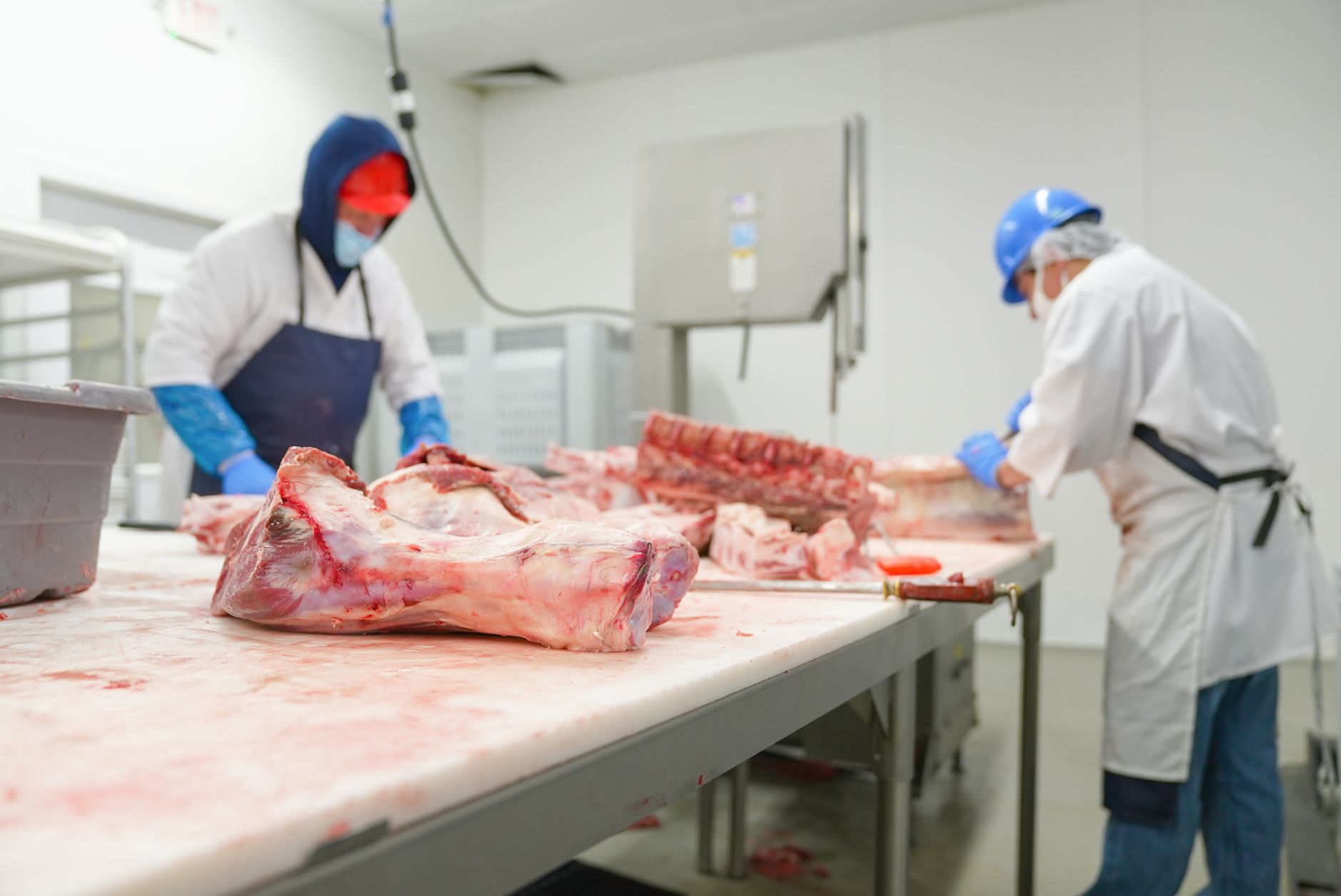
Photo by Mark Stebnicki on Pexels
References
Khabarhub · Meat Inspection Act
Related reading
Yes Bank RBI Review Petition: Clear Insights on Cyber Fraud · California Death Row Commutations: What’s the Real Impact? · Nvidia CEO crisis: The Real Impact on Indian Law