








log burner fine is a serious issue for many households facing new legal changes. A recent law has introduced hefty penalties for improper use of log burners.
Understanding the New Log Burner Regulations
Recent changes to the regulations regarding log burners have left many households concerned about potential penalties. The new law stipulates that homeowners using certain types of log burners could face a fine of up to £300 if they do not comply with updated emissions standards.
This shift in legislation aims to reduce air pollution and improve air quality, but it has raised questions among users of traditional wood-burning stoves. Many are unaware of the specific requirements and may inadvertently fall foul of the new rules.
Key points to understand about the regulations include:
- Emission Standards: Log burners must meet specific emissions thresholds to be deemed compliant.
- Types of Fuel: Only approved fuels can be used in log burners to avoid penalties.
- Installation Guidelines: Proper installation by certified professionals is crucial for compliance.
As households navigate these changes, the looming threat of a log burner fine has sparked widespread debate on the effectiveness and fairness of the new regulations.
What You Need to Know About the Fine
The recent changes in regulations surrounding log burners have raised significant concerns among homeowners. With a new law in place, households could face a hefty £300 fine for non-compliance, making it crucial to understand the implications of these changes.
Here are key points to consider regarding the log burner fine:
- Definition of Compliance: Homeowners must ensure that their log burners meet specific environmental standards to avoid penalties.
- Enforcement Mechanism: Local authorities are tasked with monitoring compliance, which may include inspections and fines for violations.
- Timeline for Compliance: A grace period may be provided for adjustments, but it’s essential to stay informed about deadlines.
- Legal Recourse: Homeowners have the right to appeal fines, but navigating the legal system can be complex.
- Community Impact: The regulations aim to reduce air pollution, but many argue the fines could disproportionately affect lower-income families.
Understanding these factors is vital to avoid unexpected financial burdens associated with the log burner fine.
How to Avoid Log Burner Penalties
As the new log burner regulations take effect, many households are understandably concerned about potential penalties. To avoid log burner fines, it’s crucial to stay informed and take proactive measures. Here are some essential tips:
- Check Compliance: Ensure your log burner meets the latest standards set by local authorities. This includes using approved fuels and maintaining proper ventilation.
- Regular Maintenance: Schedule regular inspections and cleanings. A well-maintained burner is less likely to cause emissions that could lead to penalties.
- Educate Yourself: Familiarize yourself with the specific regulations in your area. Different regions may have varying requirements regarding emissions and acceptable fuel sources.
- Consider Upgrades: If your log burner is outdated, investing in a modern, eco-friendly model could save you from hefty fines and reduce your environmental impact.
- Join Local Groups: Connecting with community groups focused on sustainable heating can provide valuable information and support.
By taking these steps, you can enjoy your log burner without the fear of incurring fines.
Impact of Law Changes on Households
The recent changes to log burner regulations have left many households facing unexpected challenges. With the implementation of these new laws, homeowners must now ensure compliance or risk incurring a significant log burner fine. This situation has created a sense of urgency among residents who rely on these heating sources during colder months.
Many families are now grappling with the potential financial burden that comes with non-compliance. The prospect of a £300 fine has sparked widespread concern, particularly for those who may not be fully aware of the updated regulations. The impact of these changes extends beyond just financial penalties; it also raises questions about the long-term sustainability of using log burners in homes.
As households adapt to these new rules, several key factors are becoming increasingly important:
- Understanding the specific requirements of new regulations
- Exploring alternative heating solutions
- Being proactive about compliance to avoid penalties
Legal Advice for Log Burner Owners
As the recent changes in legislation regarding log burners have taken effect, many owners are left seeking clarity on their legal obligations. The log burner fine of up to £300 for non-compliance has raised concerns among households, prompting the need for concrete legal advice.
Here are some essential tips for log burner owners:
- Understand the Regulations: Familiarize yourself with the specific rules pertaining to log burners, including which models are compliant under the new laws.
- Check Your Installation: Ensure that your log burner is installed correctly and meets the current safety standards.
- Seek Professional Guidance: Consult a qualified technician or legal expert to review your setup and provide tailored advice.
- Stay Informed: Keep an eye on any updates or changes in the law that may affect your situation.
By taking these proactive steps, you can mitigate the risk of facing a log burner fine while enjoying the warmth of your appliance responsibly.
The recent log burner fine has sparked outrage among homeowners who rely on these heating sources during the winter. Many argue that the log burner fine is not only excessive but also unfairly targets those trying to maintain warmth in their homes.
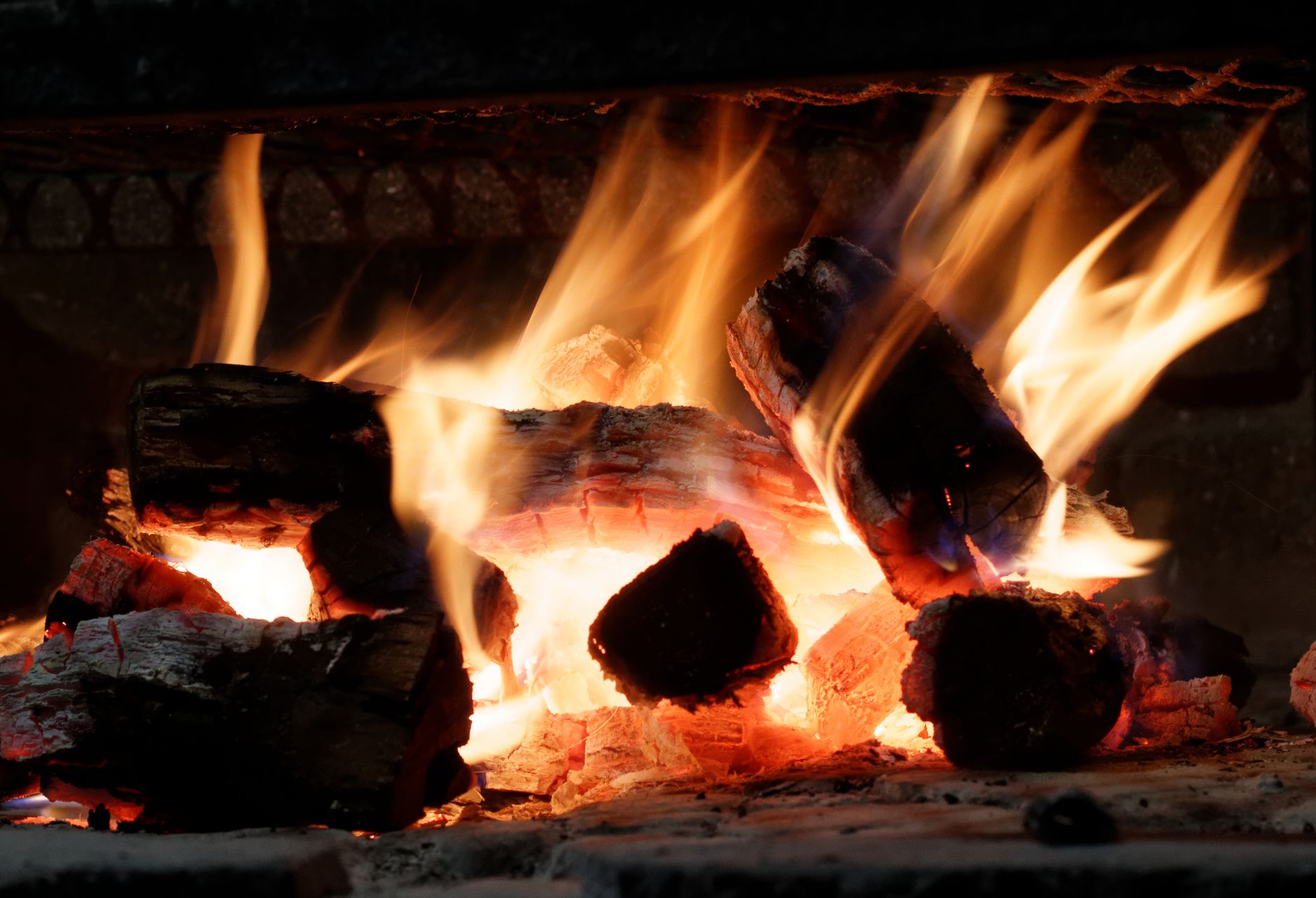
Photo by Annari du Plessis on Pexels