






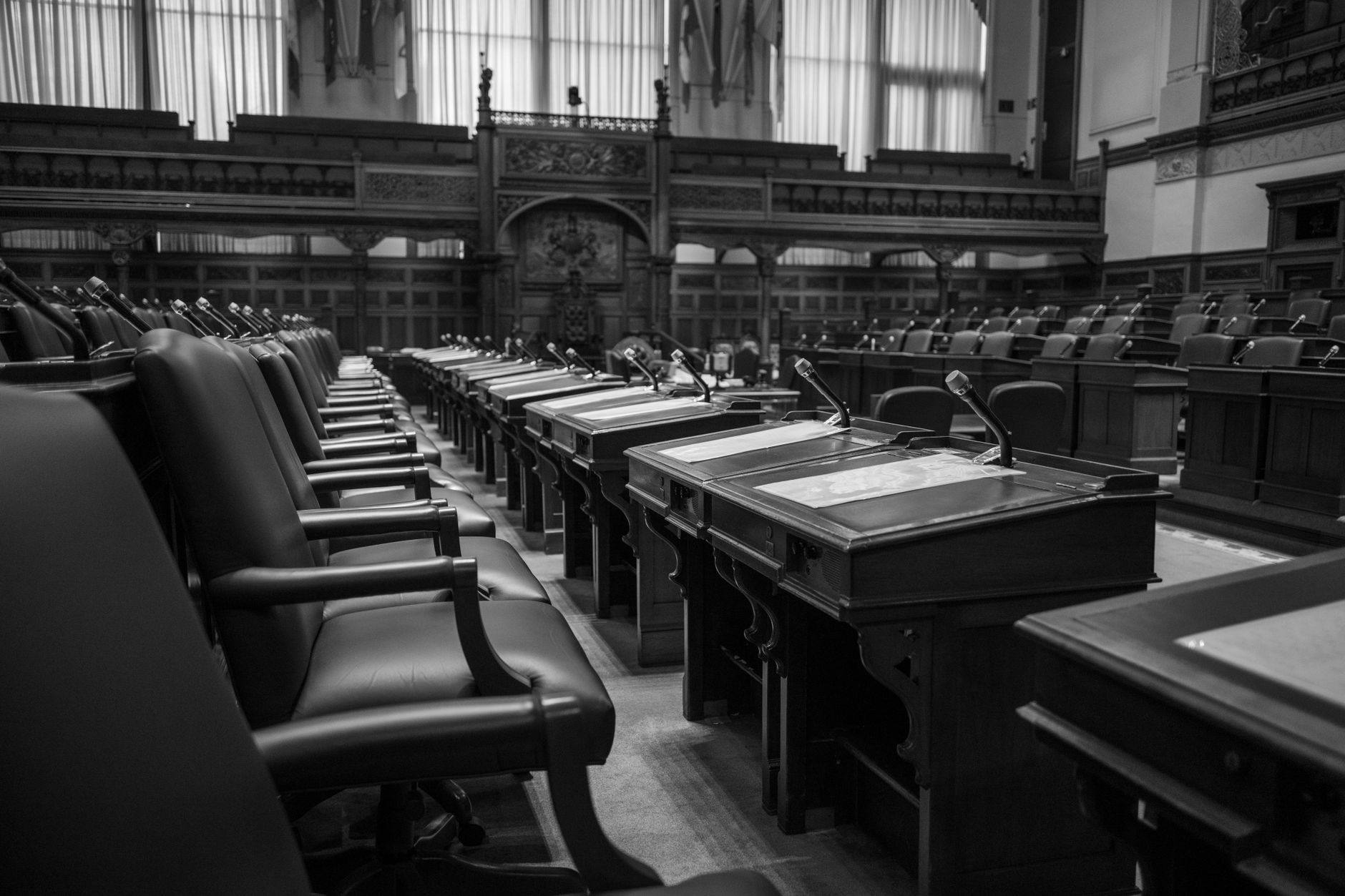
Italian election bonus seats are at the center of a heated debate. This new law aims to reward winning parties, but it raises concerns about fairness and representation.
Understanding the Italian election bonus seats
The recent introduction of the Italian election bonus seats has sparked considerable debate among political analysts and citizens alike. This law, aimed at streamlining the electoral process, allocates additional seats in parliament to the party that secures the largest number of votes. Proponents argue that this system incentivizes voter turnout and encourages a more decisive electoral outcome.
However, critics contend that the bonus seat mechanism undermines the democratic principle of proportional representation. They assert that it disproportionately benefits larger parties while marginalizing smaller ones, potentially leading to a less representative government. Concerns have been raised about the impact this law could have on the political landscape, as smaller parties struggle to gain a foothold in a system that favors the leading party.
Additionally, opponents argue that the law could exacerbate political polarization by incentivizing parties to focus on winning a majority rather than fostering collaboration and compromise. This could hinder the formation of coalition governments, which are often necessary in a multi-party system like Italy’s.
The controversy surrounding the Italian election bonus seats highlights the ongoing tension between the desire for stability in governance and the need for a fair electoral process. As the law takes effect, its implications for Italy’s political future remain to be seen.
Implications of the new law
The introduction of the Italian election bonus seats has sparked a heated debate across the political landscape. Proponents argue that this new law will enhance stability within the government, allowing for stronger coalitions and more decisive policymaking. By awarding additional seats to the party that secures the most votes, supporters believe it will encourage voter turnout, as citizens may feel their votes hold more weight in the system.
However, critics raise significant concerns regarding the implications of this approach. They argue that the bonus seats could distort the democratic process, leading to an overrepresentation of the winning party and diminishing the voices of smaller parties. This could result in a less pluralistic political environment, where diverse viewpoints struggle to find representation in the legislature.
Furthermore, the new law may inadvertently foster a culture of strategic voting. Voters might opt to support larger parties in hopes of maximizing their influence, thus sidelining smaller parties that might better represent their interests. Critics also warn that this could lead to greater polarization, as parties become more incentivized to appeal to their base rather than seek compromise.
As Italy moves forward with this controversial legislation, the long-term effects of the election bonus seats remain uncertain. Observers will be closely monitoring the next election cycle to gauge how this law impacts voter behavior and the overall political dynamics in the country.
Critics of the election bonus seats
Critics of the election bonus seats argue that the new law undermines the democratic process in Italy. By providing additional seats to the winning party, they claim it distorts the representation of voters’ preferences in the legislature. Many believe that this system favors larger parties and marginalizes smaller ones, effectively reducing political diversity.
Moreover, opponents highlight that the election bonus seats could exacerbate the divide between urban and rural voters. As larger parties tend to dominate urban areas, rural regions may see their interests overlooked, leading to policies that do not address their unique challenges.
Another concern is that the law might encourage tactical voting. Voters may feel pressured to support a party they perceive as having a better chance of winning, rather than their preferred choice, to avoid wasting their vote. This dynamic could lead to a less authentic representation of public opinion.
Furthermore, critics fear that the election bonus seats could result in increased political polarization. With the incentive to secure additional seats, parties may adopt more extreme positions to galvanize their base, rather than seeking consensus or compromise.
In summary, while the intention of the bonus seats may be to create a stable government, many critics argue that the potential repercussions on representation, voter choice, and political dynamics warrant serious consideration.
Supporters’ perspective on the law
Supporters of the Italian election bonus seats argue that the new law is a necessary reform to enhance political stability and governability in the country. They believe that the bonus seats will enable winning parties to form more cohesive and effective governments, reducing the likelihood of fragmentation within the legislature.
Proponents assert that this change will encourage voter turnout and engagement by providing a clear incentive for parties to win a significant number of votes. They contend that a stronger majority will lead to more decisive action on pressing national issues, such as economic recovery and social welfare programs.
- Increased Stability: Supporters claim that the bonus seats will help to stabilize coalition governments, which have often been seen as weak and ineffective.
- Encouraging Participation: They argue that by rewarding successful parties, the law will motivate voters to participate in elections, knowing their votes could lead to tangible political power.
- Streamlined Decision-Making: A larger majority in parliament is expected to facilitate quicker decision-making processes, benefiting the overall governance of the country.
While critics raise valid concerns about potential abuse and the undermining of proportional representation, supporters maintain that the Italian election bonus seats represent a step toward a more functional and responsive political landscape.
Comparative analysis with other countries
The introduction of the Italian election bonus seats has sparked discussions about electoral reforms across various countries. A comparative analysis reveals that Italy is not alone in implementing mechanisms intended to encourage political stability.
Countries like Germany and New Zealand have adopted mixed electoral systems that allow for adjustments in seat allocations to better reflect the proportion of votes received. In Germany, the overhang seats system allows parties to gain additional seats when their direct mandates exceed their proportional share, ensuring that elected representatives reflect voter preferences more accurately. Similarly, New Zealand’s mixed-member proportional system offers a blend of direct and proportional representation, increasing voter representation while maintaining government stability.
- Germany: Utilizes overhang seats to ensure accurate representation.
- New Zealand: Employs a mixed-member proportional system to balance voter preferences.
- Spain: Implements a regional electoral system that awards seats based on proportionality, although it does not include a bonus seat mechanism.
In contrast, Italy’s election bonus seats have drawn criticism for potentially skewing the democratic process by disproportionately benefiting leading parties. While the intent is to foster stable governments, many fear it could lead to reduced competition and marginalize smaller parties, raising concerns about the overall fairness of the electoral landscape.
Historical context of election reforms
The Italian election bonus seats have sparked significant debate, with their roots tracing back to a series of reforms aimed at stabilizing the country’s fragmented political landscape. Historically, Italian elections have been characterized by a multitude of parties, often leading to coalition governments that struggle to maintain unity and govern effectively.
In the early 2000s, various attempts were made to address the issue of political instability, culminating in the introduction of the Italian election bonus seats mechanism. This law was designed to reward parties that achieve a certain threshold of votes, providing them with additional seats in parliament. The intention was to encourage voters to support larger parties, thereby reducing the number of smaller, often less stable parties in the legislature.
Over the years, the electoral system has undergone several iterations, reflecting the changing political dynamics in Italy. Reforms in 2013 and the 2017 electoral law sought to enhance proportional representation while also incorporating elements of a majority system. Despite these changes, the bonus seats concept has remained controversial, with critics arguing it undermines the principle of fair representation.
Supporters assert that these modifications are essential for creating a more stable and governable political environment. As the debate continues, the implications of the Italian election bonus seats law remain a focal point for both politicians and the electorate, shaping the future of Italian democracy.
Public opinion on the bonus seats
The introduction of the Italian election bonus seats has sparked a diverse range of opinions among the public. Many citizens express strong concerns regarding the potential impact of this law on democratic representation. Critics argue that the bonus seats could lead to an imbalance in power distribution, favoring larger parties at the expense of smaller ones.
Conversely, some supporters believe that the bonus seats could enhance political stability by enabling the winning party to form a more cohesive government. They argue that this mechanism can help avoid fragmented parliaments, which have historically led to ineffective governance.
A recent survey indicated that over 60% of respondents are skeptical about the effectiveness of the bonus seats. Many fear that this new law may further alienate voters who feel their voices are not adequately represented. Concerns about the erosion of democratic principles resonate with those who cherish Italy’s political history.
In discussions on social media, the sentiment is equally divided. While some users celebrate the potential for a stronger ruling party, others express their discontent and call for reforms that prioritize proportional representation. As the debate continues, it remains to be seen how the public will adapt to the changes brought about by the Italian election bonus seats and whether these seats will achieve their intended purpose or exacerbate existing issues.
Future of Italian politics after this law
The future of Italian politics is poised for significant change following the introduction of the Italian election bonus seats law. This legislation aims to reshape the political landscape by rewarding parties that secure a majority of votes with additional parliamentary seats. As a result, analysts predict a potential shift in party dynamics and voter behavior in upcoming elections.
One of the most notable impacts of the Italian election bonus seats could be the consolidation of power among larger parties. Smaller parties may find it increasingly difficult to gain representation, leading to a possible decline in the diversity of voices in parliament. This shift could foster a more polarized political environment, as major parties dominate discussions and policy-making processes.
Furthermore, this law may alter voter strategies. Electorates might gravitate toward larger parties to ensure their votes carry more weight and contribute to a potential majority, thereby affecting the overall electoral competition. Political analysts suggest that this could result in a two-tiered system where only a few parties effectively compete for power, leaving lesser-known candidates at a disadvantage.
As Italy navigates these changes, the long-term consequences of the Italian election bonus seats law will be closely monitored. The effectiveness of this law in achieving its intended goals, while maintaining a healthy democratic process, will be a key point of discussion among political commentators and the public alike.
The introduction of Italian election bonus seats has sparked intense debate among political analysts and voters alike. Critics argue that these Italian election bonus seats undermine the principles of fair representation in the electoral process.
Photo by Héctor Berganza on Pexels
Sources
Related stories
Bangladesh Water Law: Smart Considerations for India Deal · University Disciplinary Rules: Clear and Proven Standards Ahead · Specialist Chambers law: What is the Right Legal Framework?