









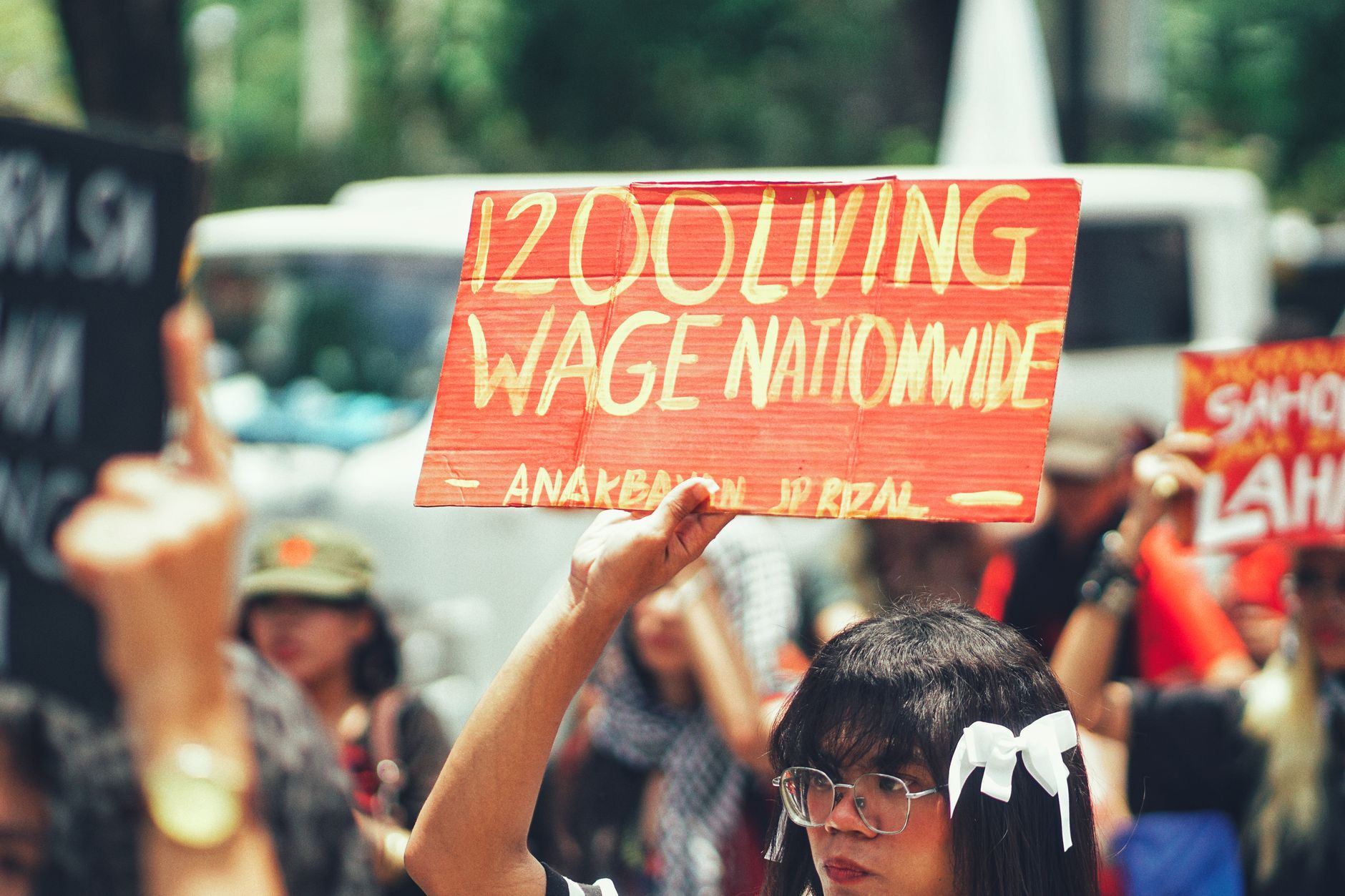
The Employment Rights Act 2025 outlines significant updates regarding worker protections. This article explores the latest consultations and their implications for employees and employers alike.
Overview of the Employment Rights Act 2025
The Employment Rights Act 2025 marks a significant update to existing labor laws in the country, aiming to enhance worker protections and adapt to the evolving job market. This act introduces several key changes that are designed to benefit both employees and employers.
One of the central features of the Employment Rights Act 2025 is the introduction of more flexible working arrangements. Employees will now have the right to request flexible hours or remote work options without fear of retaliation. This aims to improve work-life balance, especially in light of recent shifts towards remote working.
Additionally, the act strengthens provisions regarding unfair dismissal, expanding the definitions of what constitutes unfair treatment in the workplace. Employees will have greater recourse against employers who do not adhere to these regulations.
The act also addresses issues related to gig economy workers, ensuring they receive fair pay and access to benefits traditionally reserved for full-time employees. This change is expected to support a growing demographic of workers in non-traditional employment.
In summary, the Employment Rights Act 2025 represents a forward-thinking approach to labor rights, reflecting the changing dynamics of the workforce and aiming to safeguard the interests of all workers.
Key Changes in Worker Protections
The Employment Rights Act 2025 introduces several significant changes aimed at enhancing worker protections across various sectors. These updates arise from extensive consultations and aim to address the evolving landscape of employment practices.
- Enhanced Job Security: One of the pivotal changes includes provisions for greater job security, particularly for gig and contract workers. This is a response to the growing trend of precarious work arrangements.
- Minimum Wage Increases: The Act stipulates a phased increase in the minimum wage, ensuring that all workers receive fair compensation for their labor. This is expected to uplift the living standards of many employees.
- Parental Leave Revisions: New guidelines for parental leave have been introduced, offering extended time off and ensuring that all parents, regardless of their employment type, have access to these benefits.
- Anti-Discrimination Measures: The Act strengthens anti-discrimination policies, making it easier for workers to report violations and seek redress without fear of retaliation.
- Workplace Safety Enhancements: Enhanced safety regulations are now mandatory, ensuring that employers take proactive measures to protect their employees’ health and well-being.
These changes reflect a commitment to fostering a fair and equitable workplace for all individuals, reinforcing the importance of the Employment Rights Act 2025 in shaping future employment standards.
Impact of Consultations on the Act
The consultations surrounding the Employment Rights Act 2025 have played a significant role in shaping the final provisions of the legislation. Stakeholders, including employers, unions, and advocacy groups, were invited to share their insights and recommendations, ensuring that a wide array of perspectives was considered.
Feedback from these consultations highlighted several key areas of concern:
- Job Security: Many respondents emphasized the need for stronger guarantees against unfair dismissal and job loss, particularly in precarious industries.
- Flexible Working: The call for enhanced provisions for remote and flexible working arrangements was prevalent, reflecting the changing nature of work.
- Wage Transparency: Advocates argued for clearer guidelines on pay equity, aiming to tackle wage disparities across genders and ethnicities.
As a result of these discussions, the Employment Rights Act 2025 has incorporated measures that address these concerns effectively. The government has committed to regular reviews of the Act, ensuring it remains relevant and responsive to the evolving employment landscape. This commitment to ongoing dialogue signals a progressive approach to labor rights, fostering a work environment that prioritizes fairness and equity.
What Employers Need to Know
As the implementation of the Employment Rights Act 2025 approaches, it is crucial for employers to understand the new obligations and protections that will be established. The Act introduces several significant changes that will directly impact workplace policies and practices.
Employers should be aware of the following key points regarding the Act:
- Increased Transparency: Employers must provide clear information about employee rights, including pay scales and working hours, ensuring that all employees are well-informed.
- Enhanced Job Security: The Act strengthens protections against unfair dismissal and provides clearer guidelines on the process for layoffs and redundancies.
- Flexible Working Arrangements: Employers are now required to consider requests for flexible working arrangements seriously, promoting a better work-life balance.
- Improved Reporting Mechanisms: The Act establishes more robust channels for employees to report grievances without fear of retaliation, fostering a healthier workplace environment.
It is essential for employers to review their current policies and practices in light of these changes to ensure compliance with the Employment Rights Act 2025. Failing to adapt could lead to legal challenges and a decline in employee morale.
Future of Employment Law in the UK
The future of employment law in the UK is poised for significant transformation following the introduction of the Employment Rights Act 2025. This pivotal legislation aims to enhance worker protections and modernize the relationship between employers and employees as the workforce continues to evolve.
As we look ahead, several key trends are likely to shape the landscape of employment law:
- Increased Flexibility: The Act encourages flexible working arrangements, reflecting the growing demand for work-life balance among employees.
- Emphasis on Fair Treatment: There will be a stronger focus on ensuring fair treatment across all sectors, which may lead to stricter penalties for discrimination and unfair dismissal.
- Enhanced Rights for Gig Workers: As the gig economy expands, the Act is expected to provide clearer rights and protections for gig workers, addressing longstanding concerns about job security.
- Focus on Mental Health: Future regulations may integrate mental health considerations into workplace policies, acknowledging the importance of employee well-being.
Overall, the Employment Rights Act 2025 sets the stage for a more equitable and just workplace environment, reflecting the needs and expectations of both employers and employees in a rapidly changing economic landscape.
How to Stay Informed on Legal Updates
Staying informed about the latest developments regarding the Employment Rights Act 2025 is crucial for both employees and employers. Legal updates can significantly impact workplace dynamics and compliance requirements. Here are some effective strategies to keep yourself updated:
- Subscribe to Legal Newsletters: Many law firms and organizations offer newsletters that provide insights into new legislation, including amendments to the Employment Rights Act 2025. These can be a great way to receive timely information straight to your inbox.
- Follow Relevant Social Media Accounts: Social media platforms can be valuable resources for real-time updates. Follow reputable legal experts, law firms, and employment rights organizations to stay informed about changes in the law.
- Attend Workshops and Seminars: Engaging in workshops or seminars focused on employment law can provide in-depth knowledge. These events often feature discussions on recent changes and future trends, making them beneficial for understanding the implications of the act.
- Consult Legal Professionals: Regular consultations with employment law specialists can help clarify how the Employment Rights Act 2025 affects your specific situation. They can offer tailored advice and help navigate any complexities involved.
By adopting these strategies, you can ensure that you remain well-informed and ready to adapt to any legal changes that may arise.
Photo by Mico Medel on Pexels
Sources
Institute of Employment Rights · Employment Rights Act 2025
You might also like
Katie Zacharia White House briefing: Worst first day ever · Turkey social media ban: A Clear Change for Under-15s · Workday Anthropic Partnership: Proven Benefits for Businesses