





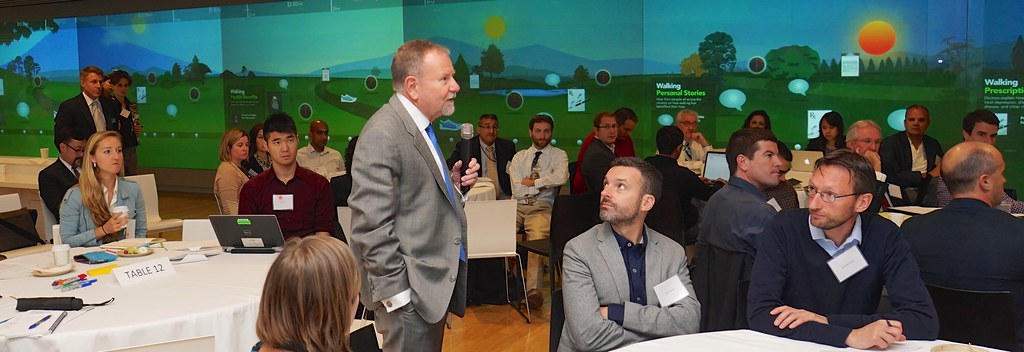
The International Doctoral Workshop focuses on law and social change, inviting submissions from scholars worldwide. This event at Roma Tre University offers a unique platform for academic exchange.
Overview of the International Doctoral Workshop
The International Doctoral Workshop is an essential platform for emerging scholars to engage with peers and established academics in their fields. Scheduled to take place in 2027 at Roma Tre University in Italy, this workshop promises to foster an environment of collaboration and innovation. Participants can expect to delve into topics surrounding law and social change, making it a unique opportunity for those interested in these critical areas of study.
Attendees will have the chance to present their research, receive feedback, and network with other doctoral candidates and faculty members. The workshop is designed to enhance the academic experience by providing a space for discussion and the exchange of ideas.
To participate effectively, prospective attendees should consider the following:
- Prepare a strong paper: Focus on clear, concise arguments that contribute to the discourse on law and social change.
- Engage with peers: Network with fellow participants to build meaningful academic relationships.
- Seek feedback: Be open to constructive criticism to improve your work and gain new perspectives.
- Follow submission guidelines: Adhere to the specified formats and deadlines to ensure your participation.
Overall, the International Doctoral Workshop serves as a vital stepping stone for doctoral candidates, encouraging them to refine their research and expand their professional horizons.
Key Themes in Law and Social Change
The International Doctoral Workshop at Roma Tre University will highlight several key themes related to law and social change. Understanding these themes is crucial for participants looking to engage meaningfully in discussions and presentations.
- Legal Frameworks and Social Justice: Examining how existing legal structures support or hinder social justice movements.
- Human Rights in Transition: Discussing the evolution of human rights in various jurisdictions and their impact on marginalized communities.
- Environmental Law and Activism: Analyzing the role of environmental law in social change, particularly in the context of climate justice.
- Technological Advancements and Regulation: Investigating how technology influences legal practices and social norms, including the implications for privacy and security.
- Globalization and Local Responses: Exploring how globalization impacts local legal systems and cultural contexts, shaping responses to social issues.
Participants in the International Doctoral Workshop are encouraged to reflect on these themes as they prepare their research presentations. By aligning their work with these discussions, they can contribute to a richer dialogue about the intersection of law and social change, helping to shape future scholarship in this vital area.
Submission Guidelines for Papers
The International Doctoral Workshop encourages submissions from students and early-career researchers whose work addresses the intersection of law and social change. To ensure a smooth submission process, potential participants should adhere to the following guidelines.
- Eligibility: Submissions are open to doctoral candidates in any stage of their research, as well as recent graduates who completed their doctoral studies within the last 12 months.
- Paper Length: Each submission should be between 3000 to 5000 words, excluding references and appendices. This length allows for sufficient depth while remaining concise.
- Formatting: Papers must be formatted in accordance with the APA style guide. Please ensure that all citations and references are correctly formatted.
- Submission Process: Papers must be submitted electronically in PDF format via the workshop’s official website by the specified deadline.
- Review Process: All submissions will undergo a blind peer-review process. Authors will be notified of the outcome within six weeks of the submission deadline.
- Presentation: Accepted papers will be presented during the workshop, providing an opportunity for constructive feedback from peers and established scholars in the field.
By following these guidelines, participants can maximize their chances of being selected for the International Doctoral Workshop and contribute meaningfully to the discourse on law and social change.
Important Dates to Remember
As the International Doctoral Workshop approaches, it is crucial for participants to keep track of important dates to ensure a smooth and successful experience. Below are the key dates that every applicant should remember:
- Submission Deadline: All paper submissions must be received by February 15, 2027. This deadline is firm, and late submissions will not be accepted.
- Notification of Acceptance: Authors will be notified about the acceptance of their papers by March 15, 2027. Make sure to check your email regularly for updates.
- Workshop Dates: The workshop will take place from April 10 to April 12, 2027, at Roma Tre University, Italy. Participants are encouraged to arrive a day early to acclimate and network.
- Registration Deadline: All participants, including those presenting papers, must register by March 25, 2027. Early registration is recommended to secure your spot.
- Final Paper Submission: If selected for presentation, the final version of your paper should be submitted by April 5, 2027, to allow for any last-minute adjustments.
Staying on top of these dates will enhance your participation in the International Doctoral Workshop and help you make the most of this invaluable opportunity.
Networking Opportunities at the Workshop
Participating in the International Doctoral Workshop provides a unique opportunity for doctoral candidates to enhance their academic and professional networks. Engaging with peers and established scholars in the field can lead to fruitful collaborations and valuable mentorship.
There are several ways to maximize networking opportunities during the workshop:
- Interactive Sessions: The workshop will feature interactive sessions that encourage open discussions. Participants are urged to ask questions and share their insights, fostering a collaborative environment.
- Social Events: Evening networking events will be organized, allowing participants to connect in a more informal setting. These gatherings are perfect for making lasting connections with fellow attendees.
- Group Activities: Collaborative projects and group discussions will be integrated into the schedule. Engaging in these activities not only enhances learning but also helps attendees bond over shared interests.
- Follow-up Communication: After the workshop, it is crucial to maintain connections made during the event. Participants should consider connecting through professional platforms such as LinkedIn to sustain these relationships.
By actively participating in the International Doctoral Workshop and leveraging these networking avenues, attendees can significantly enrich their academic journey and career prospects in the field of law and social change.
Previous Workshops and Their Impact
The International Doctoral Workshop has a rich history of fostering academic collaboration and innovation among emerging scholars. Previous workshops have brought together participants from diverse backgrounds, creating a vibrant environment for discussion and exchange of ideas. Notable past events include:
- 2023 Workshop in Berlin: Focused on interdisciplinary approaches, this workshop saw over 100 doctoral candidates present their research on law and social change, leading to significant collaborations.
- 2022 Workshop in Paris: Participants engaged in intensive sessions that highlighted the importance of empirical research in legal studies, resulting in several publications in leading journals.
- 2021 Workshop in Barcelona: This event emphasized the role of technology in law, with workshops dedicated to digital rights, privacy laws, and their implications for social change.
The impact of these workshops extends beyond the events themselves. Participants often report enhanced clarity in their research objectives and a deeper understanding of the global context of their work. Feedback indicates that networking opportunities have opened doors for academic partnerships, internships, and collaborative projects.
As the International Doctoral Workshop continues to evolve, the insights gained from previous sessions serve as a foundation for future discussions. Engaging in these workshops not only contributes to personal academic growth but also enriches the broader field of law and social change.
How to Prepare for Your Presentation
Preparing for your presentation at the International Doctoral Workshop is crucial for making a positive impression and effectively communicating your research. Here are some essential steps to help you get ready:
- Understand Your Audience: Familiarize yourself with the background and interests of the attendees. This will help you tailor your presentation to engage them effectively.
- Refine Your Content: Focus on the key messages you want to convey. Ensure your research aligns with the workshop’s themes, particularly in the context of law and social change. This relevance will enhance the impact of your presentation.
- Practice Your Delivery: Rehearse your presentation multiple times. This will increase your confidence and help you manage your time effectively. Consider presenting in front of peers for constructive feedback.
- Prepare Visual Aids: Utilize slides or other visual elements to complement your spoken words. Ensure they are clear, professional, and enhance understanding rather than distract from your message.
- Anticipate Questions: Think about potential questions that may arise and prepare thoughtful responses. This will demonstrate your depth of knowledge and engagement with your topic.
- Stay Relaxed: On the day of your presentation, take deep breaths and maintain a positive mindset. Remember, the International Doctoral Workshop is an opportunity to share your work and learn from others.
FAQs about the International Doctoral Workshop
The International Doctoral Workshop is an excellent opportunity for emerging scholars to engage with their peers and gain insights into their research areas. Below are some frequently asked questions regarding participation in this workshop.
- What is the purpose of the International Doctoral Workshop? The workshop aims to foster collaboration and exchange of ideas among doctoral candidates focused on law and social change.
- Who can participate? The workshop is open to all doctoral candidates in law and related fields who are interested in presenting their research.
- How can I submit my paper? Papers must be submitted electronically through the workshop’s official website by the specified deadline.
- What should I include in my submission? Your submission should contain an abstract, a brief biography, and your complete paper in accordance with the submission guidelines.
- Will there be feedback on my presentation? Yes, participants will receive constructive feedback from both their peers and faculty members, enhancing their academic growth.
- Are there any costs associated with participation? While there may be registration fees, many workshops offer scholarships or funding opportunities to assist participants.
For more information, visit the workshop’s official website and ensure you don’t miss this valuable academic experience.
By tedeytan via Openverse