









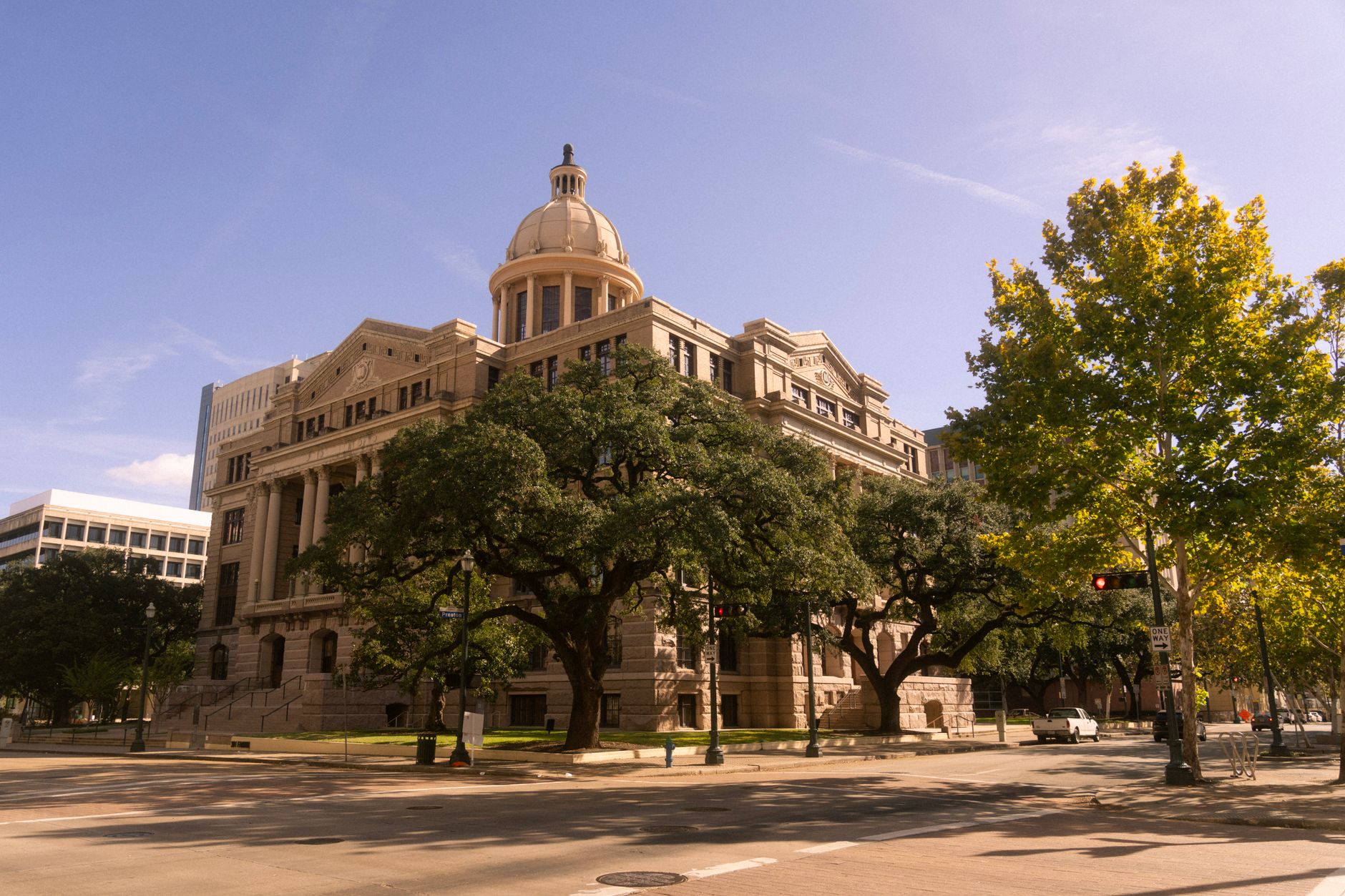
The historic preservation law is facing significant challenges, according to advocates. They warn that its potential demise could have dire consequences for America’s cultural heritage.
Understanding the Historic Preservation Law
The historic preservation law has been a crucial tool for safeguarding America’s architectural heritage. It aims to protect significant buildings, neighborhoods, and sites that hold cultural, historical, or architectural importance. Advocates argue that this law not only preserves the past but also enhances community identity and stimulates local economies.
However, recent discussions have raised concerns about the effectiveness and implementation of this law. Critics argue that the requirements for designation can be overly burdensome, leading to conflicts between property owners and preservationists. As a result, some view the historic preservation law as an obstacle to development and economic growth.
Supporters counter that without such regulations, many iconic structures would be lost forever. They emphasize the importance of maintaining the character of communities and the irreplaceable nature of our shared history. The debate continues as stakeholders from various sectors weigh the merits and challenges of the historic preservation law, highlighting the delicate balance between progress and preservation.
- Protection of significant sites
- Economic stimulation
- Community identity
Why Advocates are Concerned
Advocates for historic preservation are raising alarms about the potential ramifications of changes to the historic preservation law. They argue that weakening this legislation could lead to significant losses in America’s cultural heritage. Here are some key concerns:
- Loss of Cultural Identity: Many believe that historic preservation is crucial for maintaining the unique character of communities. Without it, neighborhoods may lose their identity as modern developments replace historic structures.
- Economic Impact: Preservation advocates point out that historic sites often contribute to local economies through tourism. The potential rollback of protections could diminish these economic benefits.
- Environmental Concerns: Older buildings are often more sustainable than new constructions. Advocates argue that the historic preservation law supports environmental sustainability by promoting the reuse of existing structures.
- Community Displacement: Changes to the law could accelerate gentrification, pushing out long-time residents and altering the demographic fabric of neighborhoods.
As discussions continue, the future of the historic preservation law remains a pivotal issue for many Americans invested in protecting their heritage.
The Impact on Cultural Heritage
The impact of the historic preservation law on cultural heritage is profound and multifaceted. This legislation aims to safeguard the architectural and historical integrity of communities across the United States. However, its effectiveness has come under scrutiny as advocates argue that it may not be serving its intended purpose.
One significant consequence of the historic preservation law is the potential loss of local identity. Many neighborhoods are defined by their unique structures and historical narratives, which contribute to the community’s character. When preservation efforts falter or become overly restrictive, these unique qualities can be compromised.
Additionally, the law can create tension between development and preservation. Many local businesses and residents feel caught in a tug-of-war where growth is stifled by bureaucratic regulations. This situation can lead to:
- Increased frustration among community members
- Economic stagnation due to limited commercial opportunities
- A decline in tourism as the vibrancy of neighborhoods diminishes
As discussions continue, the true impact of the historic preservation law remains a critical topic in the preservation community.
Current Legal Challenges
As debates surrounding the historic preservation law intensify, various legal challenges have emerged that threaten its future. These challenges primarily stem from property owners and developers who argue that the law restricts their rights and limits economic opportunities. Critics contend that the law imposes excessive burdens, making it difficult to renovate or repurpose older structures.
Among the notable cases is a recent lawsuit filed by a group of developers in a major city, claiming that the preservation law stifles innovation and growth. They argue that by designating certain properties as historic, the law effectively halts potential projects that could benefit the local economy.
Additionally, some municipalities have begun to push back against federal guidelines, citing concerns over local autonomy in managing their heritage sites. This has led to a patchwork of regulations that vary significantly from one region to another, complicating efforts to maintain a cohesive approach to historic preservation.
These ongoing legal battles reflect a broader struggle between the preservation of cultural heritage and the demand for economic development, raising critical questions about the future of the historic preservation law.
What’s Next for Preservation Efforts?
As discussions surrounding the historic preservation law intensify, advocates are strategizing on the best path forward to protect America’s cultural heritage. With growing concerns about the law’s effectiveness, several initiatives are emerging to address these challenges.
Key actions include:
- Grassroots Mobilization: Community-led campaigns are gaining momentum, rallying local citizens to advocate for the preservation of their neighborhoods and historic sites.
- Legislative Proposals: Lawmakers are being urged to introduce amendments that would strengthen the historic preservation law, ensuring it better serves the needs of diverse communities.
- Educational Outreach: Organizations are launching programs to educate the public about the importance of preserving history and the legal frameworks that support it.
- Collaborative Partnerships: Partnerships between preservationists, local governments, and private entities are being developed to create innovative solutions and funding opportunities.
As these efforts unfold, many hope that a renewed focus on the historic preservation law will foster a more robust and inclusive approach to safeguarding America’s heritage.
Photo by Eddie O. on Pexels