








Immigration reporting law changes have sparked significant concern in New York following the DOJ’s new interpretation. This shift raises questions about compliance and enforcement.
Overview of the DOJ’s Changes
The recent changes made by the Department of Justice (DOJ) regarding immigration reporting law have sparked significant debate among legal experts and immigrant advocacy groups. These alterations focus on the interpretation of existing regulations, which could impact how immigration cases are processed across the nation.
Key aspects of the DOJ’s changes include:
- Revised definitions: The DOJ has updated the terminology surrounding immigration reporting requirements, which may lead to confusion among law enforcement and legal practitioners.
- Increased discretion: Officials now have more leeway in deciding which cases require reporting, potentially resulting in inconsistent application of the law.
- Potential for bias: Critics argue that the new guidelines may allow for subjective judgment, raising concerns about discrimination against certain communities.
As these changes take effect, many are worried about their implications for vulnerable immigrant populations in states like New York, where local policies often differ significantly from federal guidelines. Advocates for immigrants fear that the revised immigration reporting law could lead to increased deportation risks and a chilling effect on individuals seeking legal assistance. The evolving landscape of immigration law continues to raise pressing questions about fairness, accountability, and the protection of human rights.
Implications for New York Residents
The recent changes to the immigration reporting law by the Department of Justice (DOJ) have sparked significant concern among New York residents. Critics argue that these modifications could lead to increased fears within immigrant communities, as the new interpretations may encourage local law enforcement to collaborate more closely with federal immigration authorities.
Many New Yorkers, particularly those from immigrant backgrounds, are worried about the potential consequences of these legal adjustments. Some of the implications include:
- Increased Surveillance: Residents fear that enhanced reporting requirements could result in heightened scrutiny and surveillance in their neighborhoods.
- Community Trust: The alterations may erode trust between immigrant communities and local law enforcement, making individuals less likely to report crimes or seek assistance.
- Legal Uncertainty: The ambiguity surrounding the immigration reporting law may lead to confusion about rights and protections, leaving many residents vulnerable.
- Impact on Families: Families may face separation as the new law could expedite deportation processes for individuals who are apprehended.
As New York prides itself on being a sanctuary for immigrants, the community’s response to these changes will be crucial in determining the long-term effects of the DOJ’s interpretation of the immigration reporting law.
Understanding Immigration Reporting Law
The recent modifications in immigration reporting law by the Department of Justice (DOJ) have sparked considerable debate among legal experts and community leaders. These changes aim to redefine the parameters of compliance for local law enforcement agencies regarding the reporting of undocumented immigrants.
Understanding the nuances of the immigration reporting law is essential for grasping its potential impacts. Key aspects include:
- Scope of Reporting: The DOJ has expanded the criteria for what constitutes reportable information, which may lead to increased scrutiny of individuals who have previously been overlooked.
- Local Enforcement Responsibilities: Changes may place additional burdens on local agencies, which are now tasked with interpreting and implementing these new guidelines.
- Community Trust: The shift in policy has raised concerns about eroding trust between immigrant communities and law enforcement, as individuals may fear increased deportation risks.
- Legal Challenges: Advocacy groups are preparing to challenge these changes in court, arguing that they violate the rights of undocumented individuals.
As New York residents grapple with the implications of these developments, the conversation continues regarding the balance between public safety and the rights of immigrants. The evolving interpretation of immigration reporting law will undoubtedly play a crucial role in shaping future policies and community relations.
Expert Opinions on the Shift
Legal experts are voicing their concerns regarding the recent changes in the Department of Justice’s interpretation of immigration reporting law. According to immigration attorney Maria Gonzalez, “These changes could significantly impact how local law enforcement interacts with immigrant communities. The potential for increased fear among residents is palpable.” Many advocates worry that the shift may lead to a chilling effect, where individuals are less likely to report crimes or cooperate with police due to fears of deportation.
Furthermore, Dr. James Lee, an immigration policy analyst, emphasized the complexities of the new guidelines. “This reinterpretation not only complicates existing legal frameworks but also raises questions about the balance between public safety and community trust. We must tread carefully to ensure that the rights of individuals are not compromised.” He noted that the changes could create an environment of uncertainty, especially for vulnerable populations.
Additionally, community leader Rita Sanchez highlighted the importance of awareness in light of these changes. “Education is key. Immigrant communities need to understand their rights and the implications of the current immigration reporting law to navigate these new realities effectively.” Experts agree that ongoing dialogue and legal support will be crucial as the situation continues to evolve.
Future of Immigration Policies
As the immigration reporting law evolves, the future of immigration policies in the United States is shrouded in uncertainty. Stakeholders from various sectors, including advocacy groups, legal experts, and community members, are raising alarms about potential ramifications. The recent changes implemented by the Department of Justice (DOJ) have prompted a re-evaluation of how immigration cases will be handled moving forward.
Many fear that these alterations could lead to increased scrutiny and pressure on immigrant communities, particularly in states like New York. The implications of the DOJ’s shift may affect not only legal proceedings but also the everyday lives of individuals who are navigating the immigration system.
In light of this, several key concerns have emerged:
- Increased Vulnerability: Immigrants may feel less secure in accessing necessary services or reporting crimes due to fear of deportation.
- Legal Uncertainty: Confusion surrounding the new interpretations could lead to inconsistent application of the law.
- Public Trust: Erosion of trust between immigrant communities and local authorities may hinder cooperation in public safety efforts.
As discussions continue, many advocate for transparency and collaborative approaches to ensure that the changes do not disproportionately affect vulnerable populations.
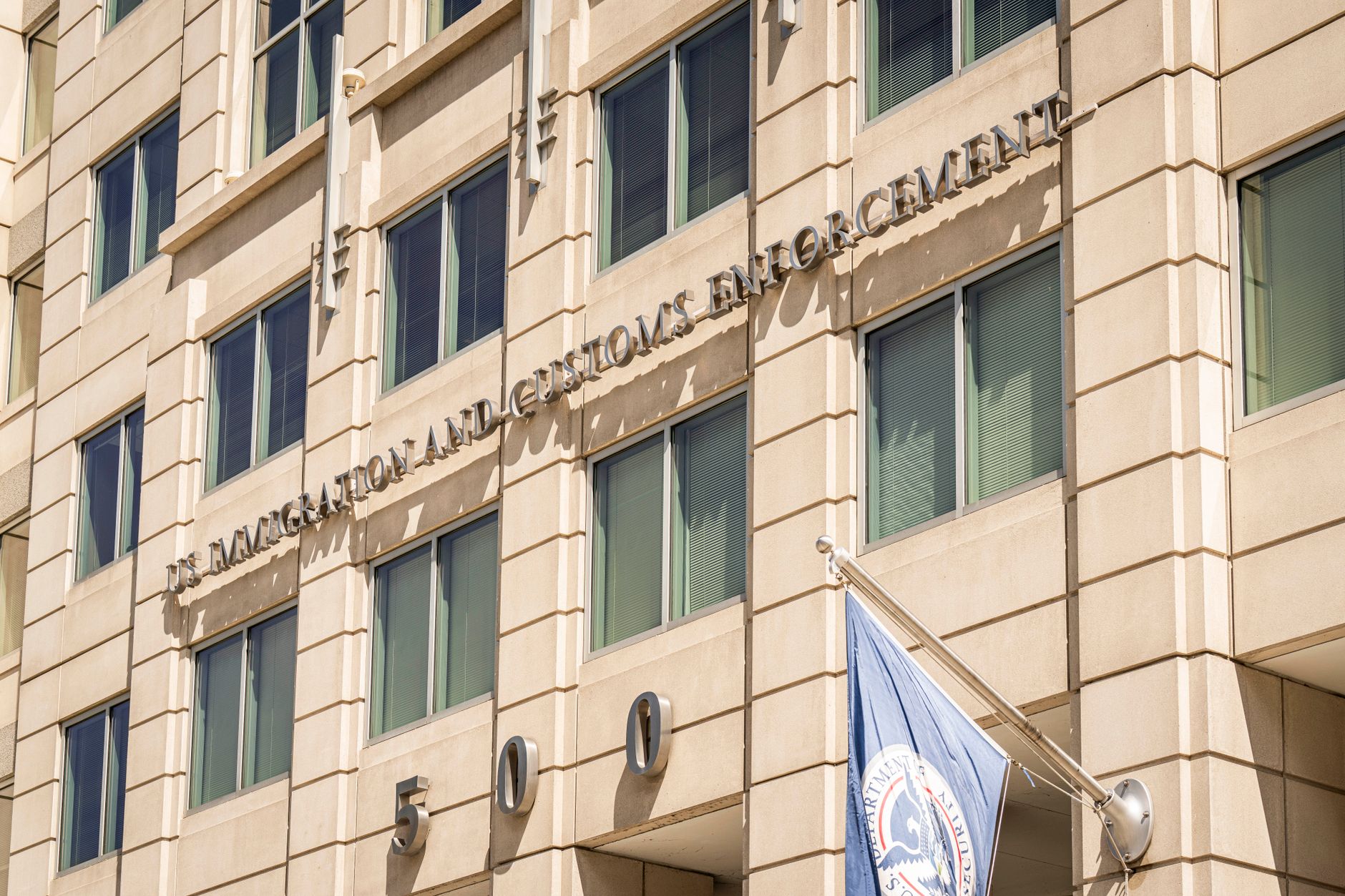
Photo by Mark Stebnicki on Pexels