









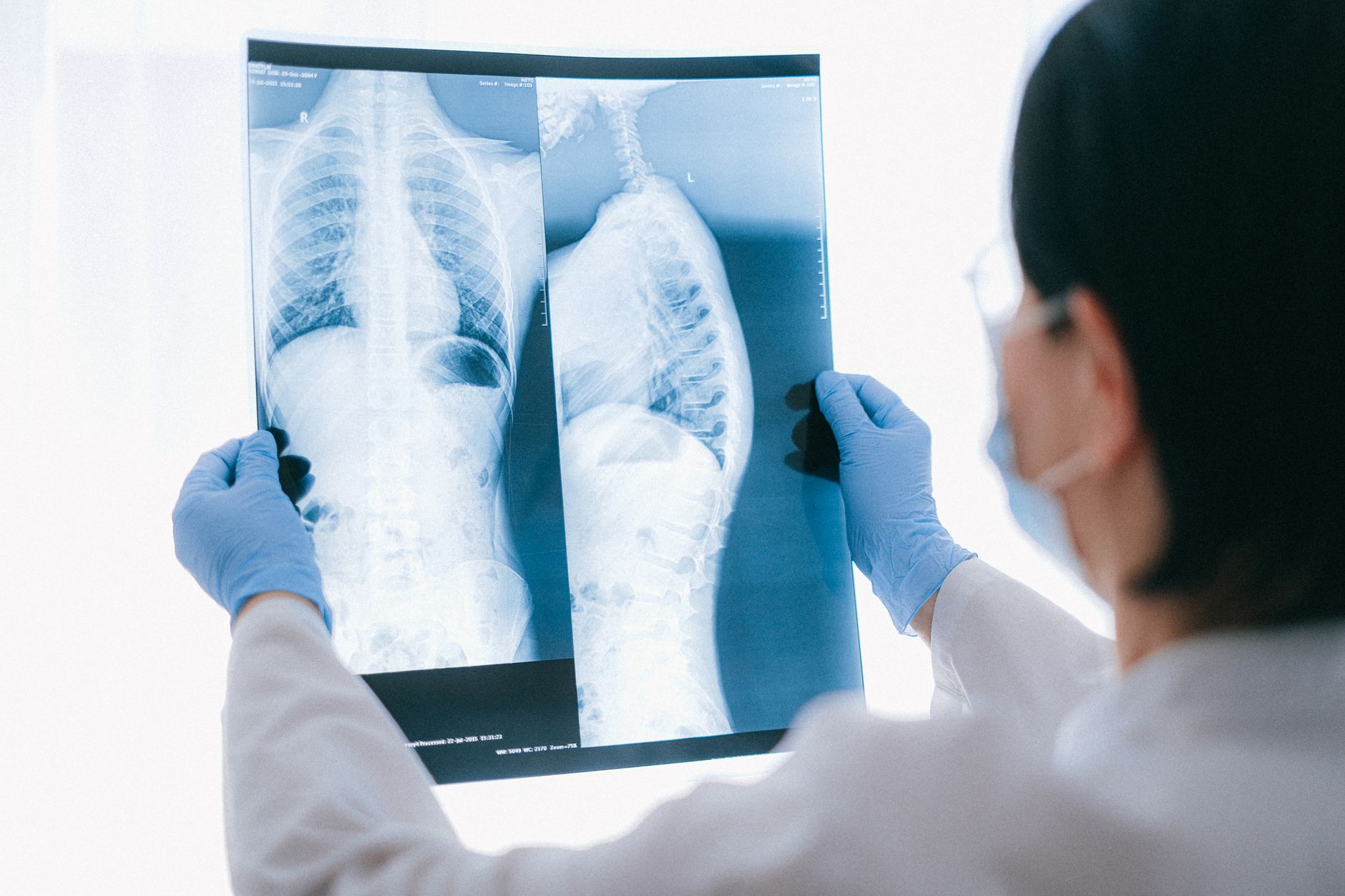
Black Lung Reforms are at the forefront of activism as advocates push for necessary changes in legislation. The urgency for reform has never been more critical.
Overview of Black Lung Disease
Black lung disease, also known as pneumoconiosis, is a debilitating condition caused by prolonged exposure to coal dust. It primarily affects miners and can lead to serious health complications, including chronic respiratory issues and cardiovascular problems. The disease has a long history, with cases dating back to the early 20th century, and continues to be a significant concern for those working in the coal mining industry.
Symptoms of black lung disease typically include:
- Shortness of breath
- Coughing
- Chest tightness
As the condition progresses, miners may experience worsening symptoms, severely impacting their quality of life. The resurgence of black lung cases in recent years has reignited discussions around Black Lung Reforms. Activists argue that comprehensive policy changes are essential to better protect miners from hazardous working conditions and ensure they receive proper medical care.
The push for reform includes stricter regulations on coal dust exposure and improved health monitoring for miners. Many believe that these reforms could significantly reduce the incidence of black lung disease, ultimately leading to a healthier workforce and safer mining practices.
Current State of Black Lung Reforms
The current state of Black Lung reforms remains a crucial topic for miners and their advocates. In recent years, the resurgence of Black Lung disease, primarily linked to coal mining, has prompted calls for comprehensive reforms aimed at better protection and support for affected workers.
Despite some legislative efforts, many miners still face significant challenges. The National Institute for Occupational Safety and Health (NIOSH) reports increasing rates of Black Lung, particularly among younger miners. This alarming trend has led to heightened scrutiny of existing regulations and the need for improved safety measures.
Advocates have highlighted several areas needing reform:
- Health Monitoring: Enhanced surveillance of miners’ health to catch Black Lung disease early.
- Compensation Claims: Streamlining the process for miners seeking benefits for Black Lung-related illnesses.
- Workplace Safety: Instituting stricter regulations on coal dust exposure to prevent further cases of the disease.
As discussions around Black Lung reforms continue, many activists express hope that meaningful changes are on the horizon, aiming to safeguard the health and rights of miners nationwide.
Why Black Lung Reforms Matter
Black lung disease remains a critical issue for miners, affecting their health and livelihood. The importance of Black Lung Reforms cannot be overstated, as these changes aim to provide better protection and resources for those impacted by this debilitating condition. With the continued rise in cases, it is essential to understand why these reforms matter.
Firstly, Black Lung Reforms can significantly enhance the safety standards in mines, reducing the risk of exposure to harmful coal dust. By implementing stricter regulations, miners can work in healthier environments, ultimately decreasing the incidence of black lung disease.
Secondly, these reforms can improve access to medical care for affected miners. Many struggle to receive timely diagnoses and treatment, leading to severe health complications. By streamlining healthcare services and ensuring that miners receive the support they need, these reforms can make a substantial difference in their quality of life.
Lastly, Black Lung Reforms are crucial for raising awareness about the ongoing struggles miners face. With increased public attention, there is a greater chance for lasting change and improved conditions in the mining industry.
Activists’ Perspectives on Reform Efforts
Activists advocating for miners’ health have expressed a cautious optimism regarding the recent Black Lung reforms. They argue that these changes are essential to address the alarming rates of the disease among coal workers. According to Sarah Jennings, a prominent advocate, “The reforms are a step in the right direction, but we need to ensure they are implemented effectively.”
Many activists emphasize the importance of not only legislation but also enforcement. James Carter, a former miner, highlighted that “Without proper monitoring and resources, even the best reforms may fall short.” He urges lawmakers to prioritize funding for health monitoring and treatment programs.
Furthermore, grassroots organizations are working tirelessly to raise awareness about the risks of black lung disease. They are pushing for educational campaigns aimed at both miners and their employers to promote safer working conditions. Linda Thompson, a coal miner’s daughter and activist, stated, “The fight for Black Lung reforms is not just about legislation; it’s about saving lives.”
As the debate continues, the consensus among activists is clear: comprehensive and enforceable Black Lung reforms are crucial for the future health of miners.
The Impact of Black Lung on Miners
The impact of Black Lung disease on miners extends far beyond physical health, affecting their families and communities as well. This debilitating condition, caused by prolonged exposure to coal dust, leads to severe respiratory issues, significantly diminishing quality of life. Many miners find themselves unable to work, resulting in financial instability and increased reliance on social and medical support systems.
Moreover, the emotional toll is profound. Miners diagnosed with Black Lung often face stigma and isolation, which can exacerbate mental health issues. The burden on their families can be overwhelming, as they navigate the challenges of caregiving and financial difficulties.
In response to these challenges, Black Lung reforms have emerged as a crucial topic for discussion among policymakers and advocates. These reforms aim to enhance safety regulations, improve monitoring of coal dust levels, and provide better medical care for affected miners. Additionally, there is a push for more comprehensive compensation programs to support those suffering from this preventable disease.
As activists work tirelessly to bring attention to these issues, the hope is that tangible changes will lead to a healthier future for miners and help mitigate the impact of Black Lung on their lives.
Future of Black Lung Legislation
As discussions surrounding Black Lung reforms gain momentum, the future of black lung legislation remains a pivotal focus for miners and their advocates. With increasing awareness of the disease’s devastating impact, stakeholders are rallying for effective policy changes that address both prevention and treatment.
Several proposed reforms aim to enhance the benefits available to miners affected by black lung disease, ensuring they receive adequate medical care and financial support. Key aspects of these reforms include:
- Improved Screening: Mandating regular health screenings for miners to catch black lung disease in its early stages.
- Access to Treatment: Expanding coverage for treatments and therapies that alleviate symptoms and improve quality of life.
- Increased Funding: Allocating more resources for research into black lung disease and its prevention.
- Stricter Regulations: Enforcing stricter safety standards in mines to reduce dust exposure.
As activists express hope for imminent reforms, the collaboration between miners, health professionals, and legislators will prove crucial in shaping a future that prioritizes health and safety in the mining industry.
Photo by Anna Shvets on Pexels