




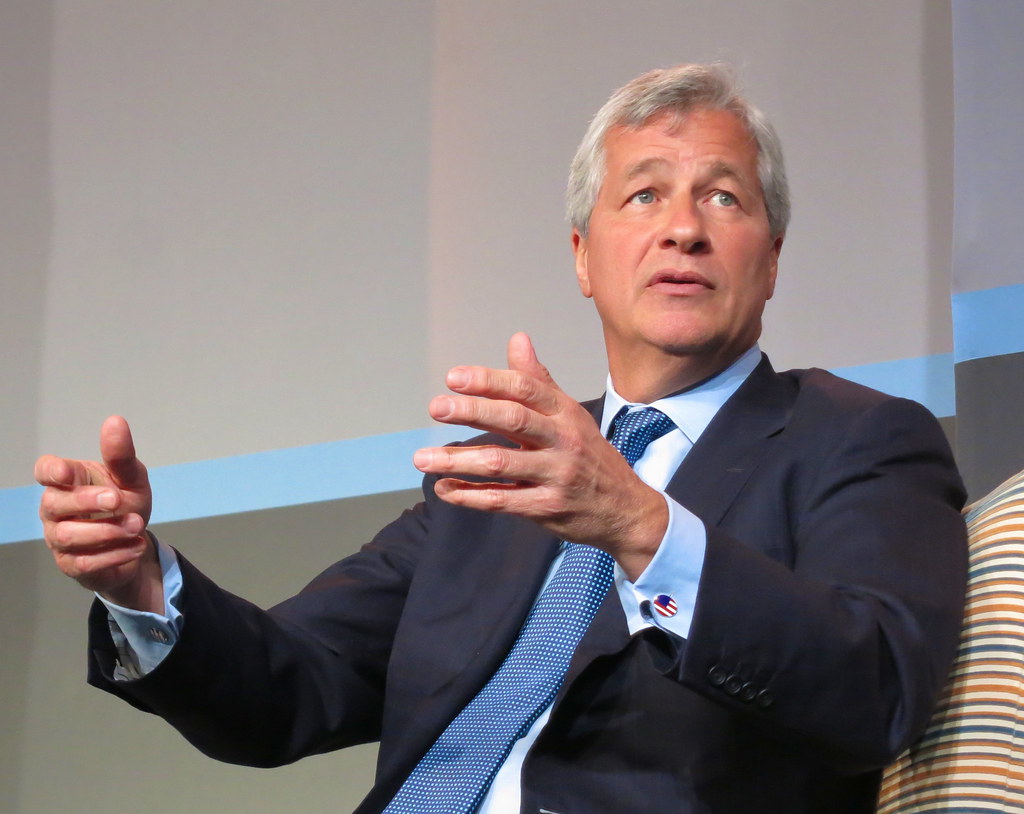
Press Regulation Act is a pivotal development in the digitalisation of press regulation, aiming to assess media performance and ensure accountability.
Overview of the Press Regulation Act
The Press Regulation Act serves as a crucial framework for overseeing the press and ensuring its accountability in the digital age. As media consumption shifts towards online platforms, the Act aims to adapt traditional regulations to the evolving landscape of journalism.
Initially established to govern print media, the Act is now being re-evaluated to encompass digital formats, which have transformed how information is disseminated and accessed. The Press Regulation Act includes provisions that seek to protect journalistic integrity while addressing the challenges posed by misinformation and digital platforms.
Key features of the Act include:
- Enhanced Transparency: Media organizations are required to disclose ownership structures and funding sources.
- Accountability Mechanisms: Establishing clear processes for addressing complaints and ensuring responsible journalism.
- Digital Adaptations: Incorporating guidelines that reflect the realities of online content creation and distribution.
The ongoing implementation of the Press Regulation Act highlights the need for continuous assessment of its impact on both traditional and digital media, ensuring that it remains relevant and effective in safeguarding press freedom.
Impact of Digitalisation on Media
The advent of digitalisation has profoundly transformed the media landscape, presenting both challenges and opportunities for traditional press outlets. One of the most significant developments has been the emergence of online platforms, which have altered how news is produced, distributed, and consumed.
As the Press Regulation Act adapts to these changes, several key impacts of digitalisation on media have become evident:
- Increased Accessibility: Digital platforms have made news more accessible to a wider audience, allowing consumers to engage with content anytime and anywhere.
- Rapid Dissemination: Information can now be shared instantaneously, leading to a faster news cycle that challenges traditional reporting standards.
- New Revenue Models: Digitalisation has prompted media outlets to explore diverse revenue streams, such as subscriptions, sponsored content, and advertising tailored to online audiences.
- Regulatory Challenges: The Press Regulation Act faces new challenges in regulating online content, necessitating updates to ensure that digital platforms adhere to established journalistic standards.
As the media continues to evolve in the digital age, understanding the implications of the Press Regulation Act remains crucial for maintaining the integrity and accountability of journalism.
Challenges in Press Regulation
The introduction of the Press Regulation Act has brought various challenges, particularly in the context of digitalisation. As traditional media outlets strive to adapt, several obstacles have emerged that complicate the regulatory landscape.
- Rapid Technological Changes: The speed at which digital platforms evolve often outpaces regulatory updates, making it difficult for the Press Regulation Act to remain relevant.
- Content Moderation: With the rise of user-generated content, ensuring compliance with the Act while allowing freedom of expression has become increasingly complex.
- Global Standards: Digital media operates on a global scale, which raises questions about how national regulations can be effectively enforced across borders.
- Resource Allocation: Regulatory bodies may struggle with limited resources, hindering their ability to monitor and enforce compliance with the Press Regulation Act.
- Public Trust: Maintaining public confidence in the media is crucial, but the perceived inadequacies of digital regulation can undermine this trust.
As stakeholders navigate these challenges, it is essential to ensure that the Press Regulation Act evolves in a manner that supports both media integrity and technological advancement.
Future of Media Accountability
The evolving landscape of media accountability is significantly influenced by the Press Regulation Act and its adaptation to the digital age. As traditional media outlets face unprecedented challenges from online platforms, there is a growing need for robust regulatory frameworks that ensure transparency and ethical standards.
Digitalisation has ushered in new forms of content creation and distribution, leading to a paradigm shift in how information is consumed. This shift necessitates a reevaluation of the Press Regulation Act to incorporate digital media players, ensuring they are held to the same standards as traditional print and broadcast outlets.
Key considerations for the future of media accountability include:
- Establishing clear guidelines for digital content creators to mitigate misinformation.
- Enhancing collaboration between regulators and tech companies to promote responsible journalism.
- Implementing training programs for journalists to adapt to digital platforms while maintaining integrity.
As we look ahead, the challenge lies in creating a framework that not only respects freedom of expression but also upholds the public’s right to accurate and trustworthy information in an increasingly complex media environment.
By jurvetson via Openverse
Sources
IMPRI Impact and Policy Research Institute
Specialized councils law: Is it the right decision for Parliament? · Cross-Border Compliance: The Real Challenges for Indian GCCs · Is the AI game jam the worst idea from Epic Games?