









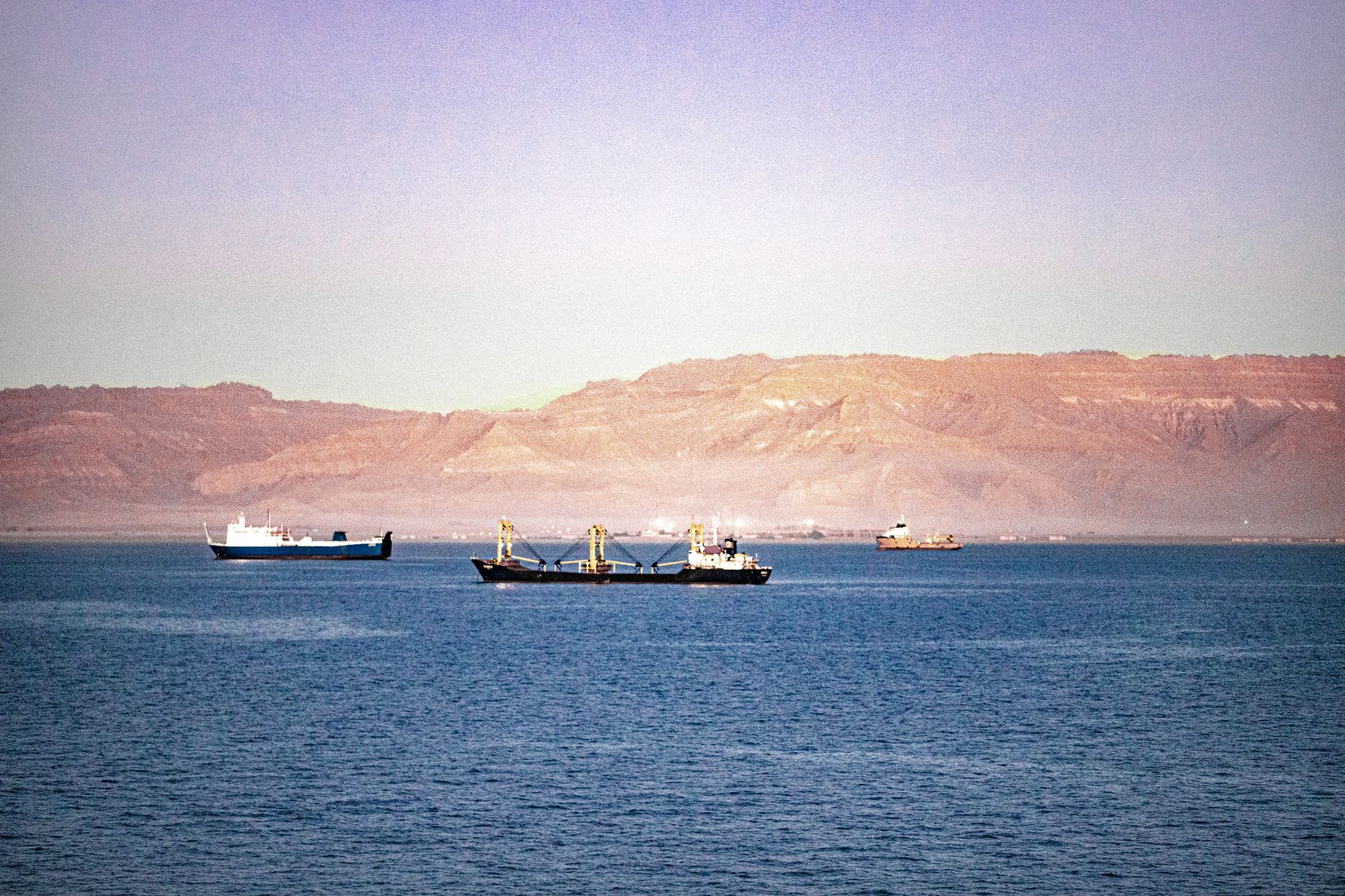
Iran Strait Closure has become a pressing issue as Iran transforms a threat into a legal framework. This development could have far-reaching implications for international shipping and regional politics.
Understanding the Iran Strait Closure
The Iran Strait Closure has emerged as a significant legal and geopolitical issue in recent months. As tensions escalate in the region, Iran has taken steps to formalize its position on the strait, which is a critical passage for global oil shipments. This development has raised concerns among international shipping lanes and trade routes.
Understanding the implications of this closure involves recognizing the strategic importance of the Strait of Hormuz. It is a vital chokepoint, through which a substantial percentage of the world’s oil supply transits. Iran’s actions to assert control over this waterway can be viewed as both a threat and a tactic in navigating international relations.
Key points to consider include:
- Legal Framework: Iran’s government has argued that its right to control the strait is backed by national and international law.
- Impact on Global Trade: A closure could lead to significant disruptions in oil prices and global markets.
- International Response: Various nations have expressed concerns over potential military escalations resulting from this situation.
As the situation develops, the Iran Strait Closure remains a focal point for discussions on regional stability and international law.
Legal Implications of the Closure
The recent declaration by Iran regarding the closure of the Strait has raised significant legal concerns among international maritime law experts. The Iran Strait Closure poses a serious challenge to freedom of navigation, which is a fundamental principle enshrined in international treaties such as the United Nations Convention on the Law of the Sea (UNCLOS).
Legal experts suggest that Iran’s assertion of control over the Strait could lead to a multitude of implications, including:
- Increased Tensions: The closure may exacerbate tensions between Iran and countries reliant on this crucial shipping lane.
- Potential Sanctions: Other nations may consider imposing sanctions or taking legal action to counteract Iran’s claims.
- Impact on Global Trade: A prolonged closure could disrupt supply chains, affecting economies worldwide.
- Military Responses: The possibility of military intervention to ensure safe passage through the Strait could escalate conflicts in the region.
As the situation develops, the international community is closely monitoring Iran’s actions, weighing the legal ramifications and potential responses to this unprecedented threat to maritime law.
Regional Reactions to Iran’s Move
In response to Iran’s announcement regarding the Iran Strait Closure, regional leaders have expressed a mixture of concern and defiance. Many nations bordering the Strait of Hormuz, a crucial maritime route for global oil supplies, fear the implications of such a move on international trade.
Several Gulf Cooperation Council (GCC) members have called for a united front against any threats to maritime security. Saudi Arabia has emphasized the need for diplomatic channels to address the situation, while also reinforcing its military presence in the region as a precautionary measure.
Meanwhile, United Arab Emirates officials have underscored the importance of maintaining open waterways, stating, “The stability of this region is vital for economies worldwide.” They have urged for swift international intervention to ensure safe passage through the Strait.
In contrast, Iran views its actions as a legitimate exercise of sovereignty. Iranian officials have defended the Iran Strait Closure as a necessary measure to protect national interests, insisting that they are prepared to respond to any perceived threats from foreign powers.
This ongoing tension highlights the fragility of regional politics and the potential for conflict, with global ramifications.
Impact on Global Shipping Routes
The recent Iran Strait Closure has significant implications for global shipping routes, raising alarms among international trade experts. The Strait of Hormuz is a critical chokepoint, facilitating the transport of approximately 20% of the world’s oil supply. A closure could lead to severe disruptions in energy markets, impacting prices and availability across the globe.
Shipping companies may face increased costs and longer transit times as they are forced to reroute vessels around the Cape of Good Hope, adding significant distances to already lengthy journeys. This shift not only inflates shipping expenses but also raises concerns about the reliability of supply chains, particularly for energy-dependent nations.
The ramifications extend beyond just oil transport. Other goods, such as liquefied natural gas and various commodities, also traverse this vital maritime route. Stakeholders in industries reliant on these resources must prepare for potential shortages and surging prices.
In light of these developments, many countries are reevaluating their maritime security strategies, as the legal implications of the Iran Strait Closure continue to unfold. The situation calls for a coordinated international response to safeguard trade and maintain stability in the region.
Future of Maritime Laws in the Region
The recent development concerning the Iran Strait Closure has raised significant questions about the future of maritime laws in the region. As various nations grapple with the implications of Iran’s actions, the framework governing international waters may face unprecedented challenges.
Legal experts emphasize that the enforcement of such closures could set a dangerous precedent, potentially altering the balance of power in maritime law. The potential for increased tensions could lead to a re-evaluation of existing treaties and agreements that govern navigation through strategic waterways.
In light of these events, several key factors will likely influence future maritime regulations:
- International Cooperation: Nations may need to collaborate more closely to establish a unified response to any unilateral closures.
- Legal Frameworks: There may be a push for reforming international maritime laws to address newly emerging threats.
- Technological Innovations: Advancements in navigation technology could play a crucial role in circumventing closed straits.
- Economic Considerations: The impact on global trade could prompt a reassessment of legal rights concerning navigation.
Ultimately, the Iran Strait Closure could signal a transformative period for maritime laws, demanding urgent attention from the international community.
Photo by Eric Seddon on Pexels