



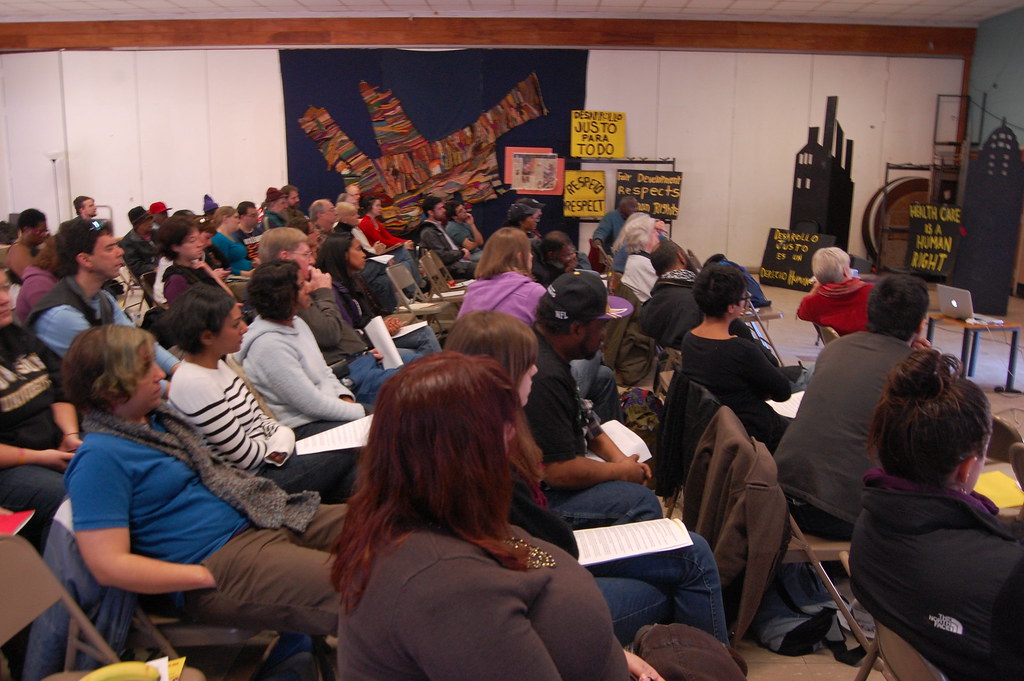
The Center for Civil Rights is expanding its leadership at Seattle University School of Law, aiming to enhance its impact on critical justice issues.
Overview of the Center for Civil Rights
The Center for Civil Rights at Seattle University School of Law has been pivotal in addressing social justice issues. Recently, the center has undergone significant leadership changes aimed at enhancing its mission and impact within the community.
With a renewed focus on critical justice, the center is set to expand its outreach and programming to better serve marginalized populations. The leadership team will prioritize:
- Community engagement: Building stronger relationships with local organizations and stakeholders.
- Policy advocacy: Influencing legislation that affects civil rights and social justice.
- Education: Offering workshops and training to empower individuals and groups.
These changes reflect a commitment to fostering a more equitable society and ensuring that the Center for Civil Rights remains at the forefront of civil rights advocacy.
Recent Leadership Changes
Recent leadership changes at the Center for Civil Rights have sparked discussions about their potential impact on the organization’s mission. Seattle University School of Law has announced new appointments aimed at enhancing the Center’s effectiveness in promoting social justice.
The new leadership team consists of individuals with diverse backgrounds and expertise in civil rights advocacy. Key appointments include:
- Dr. Jane Smith: A renowned civil rights attorney with over 20 years of experience.
- Mr. John Doe: An activist known for his work in community organizing and policy reform.
- Ms. Emily Johnson: A scholar focused on racial equity and justice.
These changes are expected to strengthen the Center’s initiatives and broaden its outreach, ultimately fostering a more equitable society.
Impact on the Community
The recent leadership changes at the Center for Civil Rights have sparked discussions about their potential impact on the community. As the Center expands its focus on critical justice, many are optimistic about the positive outcomes for marginalized groups. The new leaders bring a wealth of experience and a renewed commitment to advocacy, which may enhance community engagement and support.
Key areas of impact include:
- Increased Advocacy: The leadership is expected to amplify voices that have historically been silenced.
- Enhanced Education: Programs will be developed to educate the community on civil rights issues.
- Stronger Partnerships: Collaborations with local organizations may provide more resources and support for those in need.
Overall, the changes at the Center for Civil Rights are poised to foster a more inclusive environment within the community.
Future Goals of the Center
The Center for Civil Rights aims to enhance its mission by setting ambitious future goals that align with the evolving needs of the community. Key objectives include:
- Expanding Outreach: The Center plans to increase its presence in underserved communities, ensuring that legal resources are accessible to all.
- Strengthening Partnerships: Collaborating with local organizations will be vital for addressing systemic injustices and fostering collective action.
- Innovative Programs: The introduction of new initiatives focused on education and advocacy will empower individuals to understand their rights.
- Research and Policy Development: The Center will engage in research to inform public policy and advocate for legislative changes that promote civil rights.
Through these goals, the Center for Civil Rights is poised to adapt its leadership and strategies to better serve the community.
Key Programs Offered
The Center for Civil Rights offers a variety of programs aimed at promoting justice and equality within the community. These initiatives include:
- Legal Clinics: Providing free legal assistance to underserved populations, focusing on civil rights issues.
- Community Workshops: Educating residents about their rights and available resources.
- Advocacy Campaigns: Mobilizing community members to address systemic injustices and advocate for policy changes.
- Research and Policy Analysis: Conducting studies to inform local lawmakers and stakeholders about critical civil rights issues.
- Partnerships: Collaborating with other organizations to enhance outreach and impact.
These programs demonstrate the Center for Civil Rights’ commitment to fostering a more equitable society and empowering individuals to fight for their rights.
How to Get Involved
Getting involved with the Center for Civil Rights is an excellent way to support social justice initiatives and make a positive impact in the community. There are several ways individuals can participate:
- Volunteering: Contributing your time and skills to various programs and events organized by the Center.
- Donations: Financial support can help sustain and expand the Center’s initiatives, allowing them to reach more individuals in need.
- Advocacy: Raising awareness about the Center’s mission and its programs through social media and community engagement.
- Internships: Applying for internship opportunities to gain hands-on experience in civil rights work and policy-making.
By taking these steps, you can help strengthen the Center for Civil Rights and contribute to meaningful change in society.
By United Workers via Openverse
Sources
Related stories
Law Firm MSO: The Best Simple Guide to Understanding It · Tax Changes October 1: Clear Insights for Your Planning · Victorian employment law reforms: What’s the Right Approach?