







Russia sanctions law has become a focal point for India, as Jaishankar raised crucial concerns during discussions with Rubio at the UNGA.
Understanding the Russia Sanctions Law
The recent discussions surrounding the Russia sanctions law have highlighted significant concerns for countries like India. As nations navigate the complex geopolitical landscape, the implications of such sanctions are far-reaching. The sanctions, primarily aimed at curbing specific actions by Russia, have raised questions about their impact on global trade and diplomatic relations.
During a recent meeting at the UN General Assembly, Indian External Affairs Minister S. Jaishankar articulated India’s apprehensions regarding these sanctions. He emphasized the need for a balanced approach that considers the economic ramifications on nations not directly involved in the conflict.
Key points of concern include:
- Potential disruptions in energy supplies.
- Impact on defense and technology transfers.
- Consequences for regional stability and security dynamics.
India’s stance reflects a growing recognition of the intricate connections between national interests and international policy, urging a dialogue that acknowledges the complexities of the Russia sanctions law.
Jaishankar’s Role in UNGA
During the recent United Nations General Assembly (UNGA), Indian External Affairs Minister S. Jaishankar took a significant step by addressing the implications of the Russia sanctions law on India. In a conversation with U.S. Senator Marco Rubio, he emphasized the necessity for a balanced approach to international relations, especially regarding sanctions that could adversely affect developing nations.
Jaishankar articulated India’s position, highlighting the importance of pragmatic engagement in a multipolar world. He pointed out that unilateral sanctions, such as those imposed on Russia, should consider the wider geopolitical landscape and the potential ramifications for countries like India.
Furthermore, Jaishankar underscored the following key points:
- Impact on Trade: Sanctions can disrupt vital trade relationships.
- Energy Security: India’s energy needs must be a priority amidst changing global dynamics.
- Strategic Autonomy: India must retain its independence in foreign policy decisions.
Through these discussions, Jaishankar reinforced India’s commitment to navigating the complexities of the Russia sanctions law with careful consideration of its national interests.
Impact of Sanctions on India
The impact of the Russia sanctions law on India has raised significant concerns among policymakers and economic analysts. As India maintains a strategic partnership with Russia, the sanctions pose potential risks to bilateral trade and energy security.
Several key factors highlight the implications:
- Economic Disruption: The sanctions could disrupt supply chains, particularly in defense and energy sectors where India relies heavily on Russian imports.
- Investment Challenges: Indian investments in Russia may face increased scrutiny and restrictions, complicating ongoing projects.
- Diplomatic Relations: Navigating relations with both Russia and Western countries will require careful balancing to avoid exacerbating tensions.
- Geopolitical Shifts: The sanctions law may push India to explore alternative partnerships, impacting long-standing alliances.
As highlighted by External Affairs Minister S. Jaishankar during discussions at the UNGA, India’s concerns regarding the Russia sanctions law reflect the broader implications for its foreign policy and economic stability.
Key Concerns Raised by India
During recent discussions at the UN General Assembly, India’s External Affairs Minister S. Jaishankar highlighted several key concerns regarding the Russia sanctions law and its implications for India.
- Trade Relations: India’s growing trade ties with Russia could be undermined by the sanctions, affecting sectors such as defense and energy.
- Energy Security: As energy prices fluctuate, India is concerned about the stability and availability of oil and gas supplies from Russia.
- Geopolitical Stability: The sanctions may alter the regional balance of power, impacting India’s strategic interests in Asia.
- Economic Impact: Indian businesses engaging with Russian partners could face repercussions, leading to potential economic fallout.
- Diplomatic Relations: The sanctions law could strain India’s diplomatic relationships with both Russia and Western nations, complicating India’s non-aligned stance.
Jaishankar’s engagement with U.S. Senator Marco Rubio reflects India’s proactive approach to address these concerns and seek a balanced resolution.
International Reactions to Sanctions
The international community has reacted with a mixture of support and criticism regarding the Russia sanctions law. Several countries have voiced their concerns about the implications of these sanctions on global trade and diplomatic relations. Key allies of the United States, while generally supportive of the sanctions, have expressed apprehension about their long-term impact on energy markets and economic stability.
In a recent discussion at the UN General Assembly, Indian External Affairs Minister S. Jaishankar emphasized the need for a balanced approach to the sanctions law, highlighting that unilateral measures could disrupt existing alliances and trade partnerships. Countries such as Germany and France have echoed India’s sentiments, advocating for a collaborative framework that considers the diverse geopolitical landscape.
- Germany: Advocated for dialogue over sanctions.
- France: Emphasized the need for economic stability.
- China: Criticized the sanctions as a tool for political pressure.
These international reactions underscore the complexities surrounding the Russia sanctions law and its potential ramifications on global diplomacy.
Future of India-Russia Relations
The future of India-Russia relations remains a topic of considerable interest, particularly in light of the recently implemented Russia sanctions law. This legislation has raised significant concerns for India, which has maintained a historically strong partnership with Russia. As both nations navigate the complexities of international geopolitics, India must balance its strategic interests while addressing the implications of these sanctions.
Analysts believe that India can take proactive steps to mitigate potential disruptions. These steps may include:
- Strengthening diplomatic dialogues: Continued engagement with Russia to discuss the implications of the sanctions.
- Diversifying partnerships: Expanding relationships with other nations to lessen dependency on Russian resources.
- Enhancing domestic capabilities: Investing in local industries to reduce reliance on foreign supplies.
Ultimately, how India adapts to the challenges posed by the Russia sanctions law will significantly shape the trajectory of future bilateral relations.
Legal Implications of Sanctions
The legal implications of the Russia sanctions law extend beyond diplomatic discourse, affecting international trade and legal frameworks. As nations navigate the complexities of compliance, India faces pressing challenges regarding its economic ties with Russia.
One key aspect is the potential for secondary sanctions, which could target third-party nations engaging in trade with Russia. This creates a precarious situation for India, particularly in sectors such as defense and energy, where reliance on Russian supplies is significant.
Furthermore, the sanctions law raises questions about the legality of past agreements and future contracts. Indian businesses must assess their risk exposure and consider legal protections against possible sanctions-related repercussions.
It is essential for India to establish a robust legal strategy to mitigate risks associated with the Russia sanctions law. This involves engaging legal experts and government officials to ensure compliance while safeguarding national interests.
Ultimately, the ongoing geopolitical landscape necessitates a careful balancing act for India as it navigates its strategic partnership with Russia.
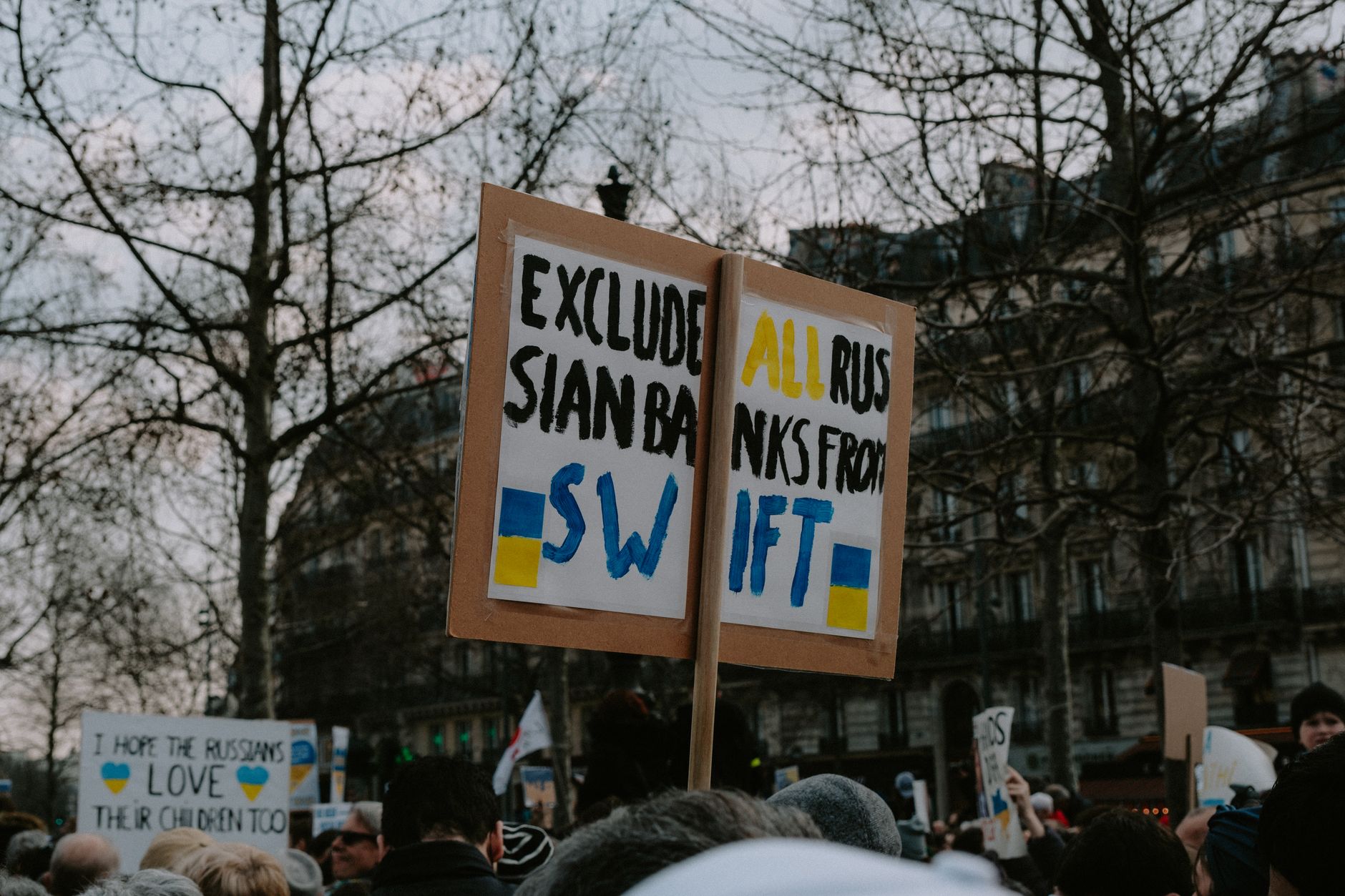
Photo by Mathias Reding on Pexels
References
Related reading
Rule of Law Ukraine: Right Steps for Proven Aid · BCI Regulate Law Colleges: Is It the Right Move? · Is Crossborder Terror Action Worth the Effort for Pakistan?