









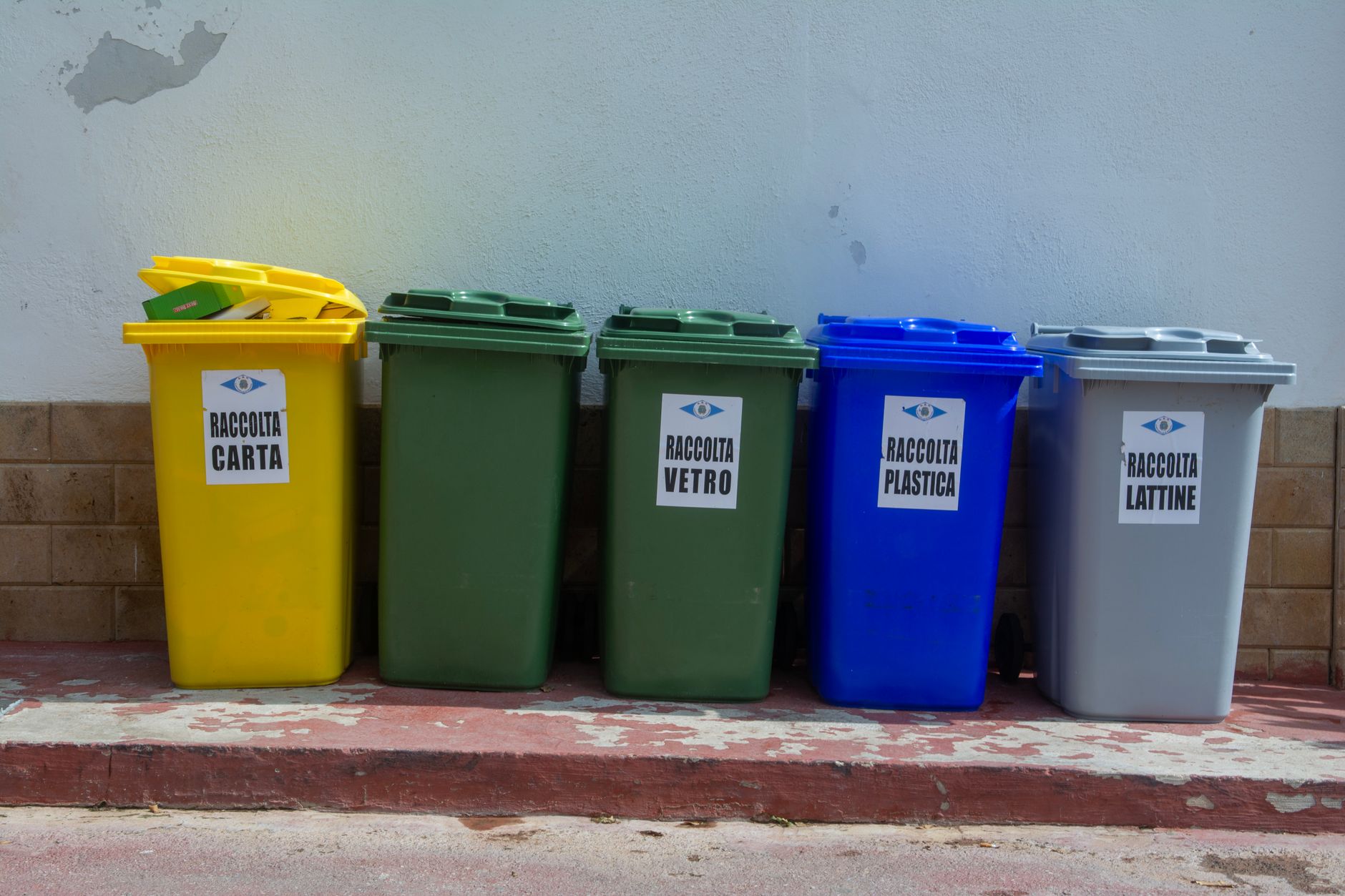
EU waste rules are set to impact India’s scrap trade as new regulations come into effect. This article explores the implications of these changes for the metal waste sector.
Overview of EU Waste Rules
The recent changes to the EU waste rules have significant implications for international scrap trade, particularly impacting India. These regulations aim to enhance recycling efforts within the European Union while addressing the challenges posed by waste exports to non-EU countries.
Under the new framework, India has been authorized to receive a majority of scrap materials from the EU, reflecting a growing partnership between the two regions. However, the new rules also signal a shift towards more stringent regulations, especially concerning metal waste. By 2027, certain types of metal scrap may face a complete ban from being exported to India, which could disrupt existing trade patterns.
This development highlights the need for Indian scrap dealers to adapt quickly to the evolving landscape. Key points to consider include:
- Increased opportunities for non-metal scrap imports.
- The potential economic impact of reduced metal scrap availability.
- Compliance requirements for Indian importers to meet EU standards.
Impact on India’s Scrap Industry
The recent updates to the EU waste rules are set to significantly influence India’s scrap industry. As the European Union tightens regulations on waste management, Indian scrap traders are entering a new phase of adaptation and opportunity.
With the EU’s decision to allow most scrap materials to be exported to India, local businesses are expected to benefit from an influx of recyclable materials. However, the impending ban on metal waste by 2027 poses challenges that must be addressed.
Industry experts highlight several key impacts of these new regulations:
- Increased Supply: The expected rise in available scrap materials will help meet India’s growing demand for recycling.
- Market Uncertainty: The ban on metal waste may lead to fluctuations in pricing and availability, impacting long-term planning.
- Investment Opportunities: The evolving landscape presents new avenues for investment in recycling technologies.
Overall, the EU waste rules are reshaping the dynamics of India’s scrap industry.
Timeline for Metal Waste Ban
The timeline for the impending ban on metal waste under the new EU waste rules is critical for stakeholders in the scrap trade, particularly in India. Set to take effect in 2027, this ban aims to enhance recycling efforts within Europe while significantly impacting global scrap markets.
Key milestones leading up to the ban include:
- 2024: A comprehensive review of current waste management practices will be conducted, focusing on the effectiveness of recycling programs.
- 2025: Stakeholders, including scrap dealers and industries relying on recycled materials, will be invited to provide feedback on the proposed regulations.
- 2026: Final adjustments to the EU waste rules will be made, determining the specific categories of metal waste subject to the ban.
- 2027: The official enforcement of the ban will commence, reshaping the dynamics of the global scrap trade.
As the deadline approaches, industries must adapt to the evolving landscape shaped by these EU waste rules.
Reactions from Indian Traders
Indian traders have expressed a mix of concern and optimism regarding the new EU waste rules. With the proposed ban on metal waste from 2027, many are re-evaluating their strategies to adapt to these changes.
Some traders believe that the EU waste rules could lead to a shift in the market dynamics, as European countries seek alternative destinations for their scrap materials. This could present new opportunities for Indian businesses to establish themselves as key players in the recycling sector.
- Ravi Kumar, a prominent scrap dealer, stated, “While the ban poses challenges, it also pushes us to innovate and improve our recycling processes.”
- Aditi Sharma, an industry analyst, emphasized, “The impact on trade will depend on how quickly traders adapt to the new regulations.”
As the deadline approaches, many in the sector are calling for clearer guidelines from the EU to better understand the implications of these waste rules on their operations.
Future of Recycling in India
The future of recycling in India is closely tied to the evolving EU waste rules, which aim to reduce environmental impact while promoting sustainable practices. As the EU implements stricter regulations on metal waste starting in 2027, Indian scrap traders are adapting to these changes to maintain their competitiveness in the global market.
Many industry experts believe that this shift will encourage innovation in recycling technologies within India. Investment in advanced recycling processes could enhance the efficiency of waste management systems and ensure compliance with international standards. Furthermore, this could lead to increased export opportunities for high-quality recycled materials from India.
However, the challenges remain significant. The need for improved infrastructure and regulatory frameworks is crucial for seamless integration into the global recycling ecosystem. As Indian stakeholders navigate these new dynamics, their response to the EU waste rules will be instrumental in shaping the future landscape of recycling in the country.
Comparative Analysis with Other Countries
The implementation of the EU waste rules has drawn comparisons with waste management practices in various countries. Countries like Japan and Germany have established stringent recycling frameworks that emphasize circular economy principles. These nations utilize advanced technologies and public awareness campaigns to minimize waste and maximize recycling rates.
In contrast, India’s current recycling infrastructure is still developing, facing challenges such as insufficient facilities and lack of awareness among consumers. While the EU’s regulations aim to curb metal waste exports, nations like the United States and China have yet to adopt similar stringent measures, allowing for a more liberal scrap trade environment.
This divergence in approaches raises questions about the long-term sustainability of India’s scrap industry. As the EU tightens its waste rules, Indian traders may need to adapt their practices to align with global standards, ensuring compliance while also enhancing efficiency in recycling operations.
Photo by Jan van der Wolf on Pexels
References
Related reading
Birth and Death Registration Rules: What’s the Best Change? · Startup CGT Rules: Are the New Changes Worth It? · WHL rule changes: Clear impact on game dynamics