









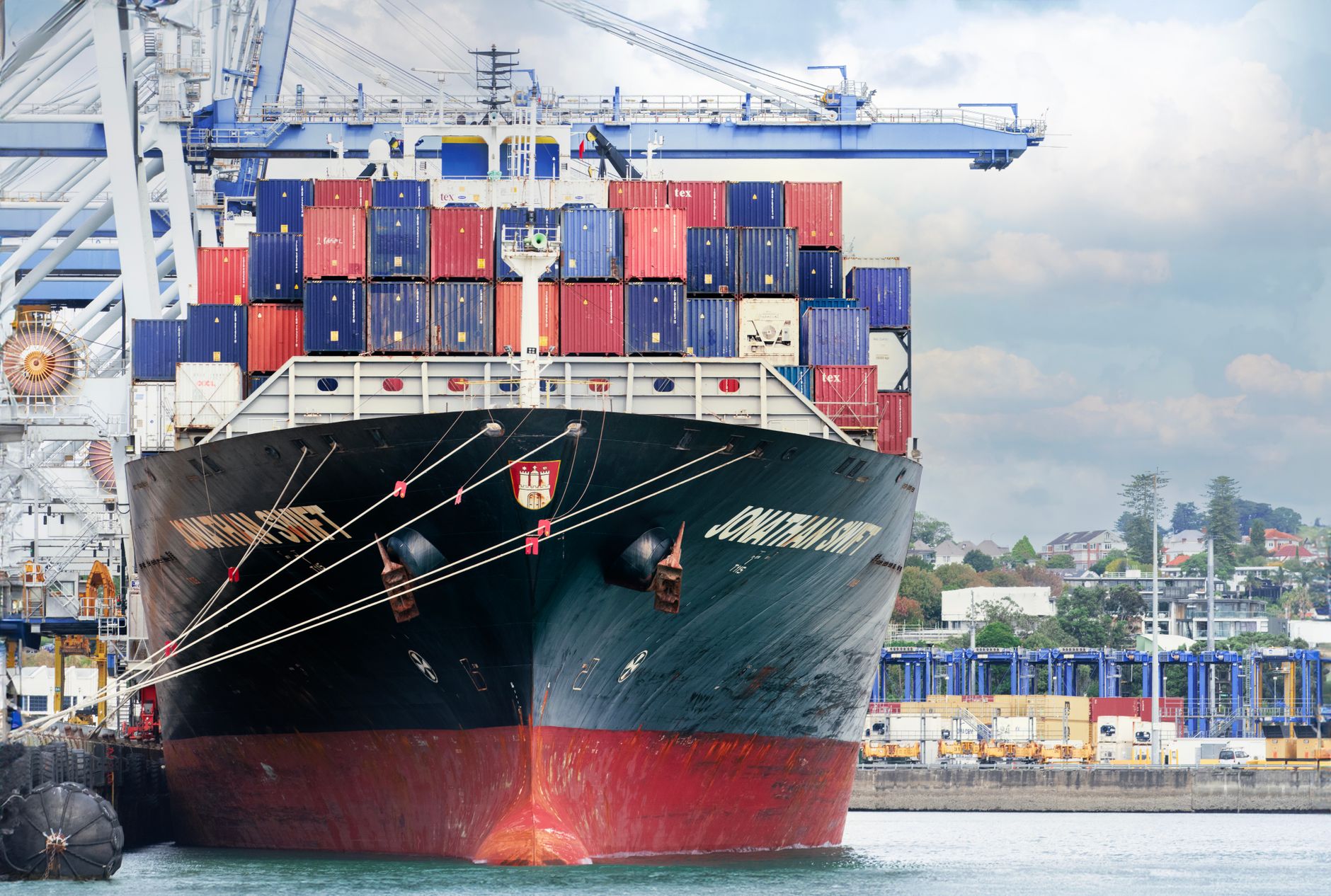
New Zealand India FTA is a significant development in international trade, as the Parliament clears the deal set to take effect on October 19.
Overview of the New Zealand India FTA
The recent clearance by the New Zealand Parliament for the Free Trade Agreement (FTA) with India marks a significant milestone in the economic relationship between the two nations. This agreement is set to take effect on October 19, aiming to enhance trade and investment opportunities.
The New Zealand India FTA is designed to eliminate tariffs on a wide range of goods and services, promoting a more open trading environment. Key features of the agreement include:
- Tariff Reductions: Substantial cuts in tariffs on various exports, including agricultural products, textiles, and technology.
- Market Access: Improved access for New Zealand businesses to the vast Indian market, which has a growing demand for various goods and services.
- Investment Opportunities: Enhanced provisions for investment across multiple sectors, encouraging bilateral investments.
Supporters of the FTA argue that it will foster economic growth and strengthen diplomatic ties. However, some critics express concerns about potential impacts on local industries. As the implementation date approaches, stakeholders from both countries are closely examining the implications of the New Zealand India FTA.
Key Benefits of the Trade Agreement
The recently ratified New Zealand India FTA is poised to create significant opportunities for both nations. Here are some key benefits of the trade agreement:
- Increased Market Access: The FTA will eliminate tariffs on a wide range of goods, making it easier for New Zealand exporters to access the Indian market, which boasts over 1.4 billion consumers.
- Boost to Agricultural Exports: New Zealand’s agricultural sector stands to gain substantially, with reduced barriers for products such as dairy, meat, and wine.
- Enhanced Investment Opportunities: The agreement encourages bilateral investment, fostering a more robust economic partnership and creating jobs in both countries.
- Strengthening Cultural Ties: The FTA is expected to improve people-to-people connections through educational exchanges and tourism, further solidifying the relationship between New Zealand and India.
- Innovation and Technology Transfer: Collaboration in research and development is anticipated, particularly in sectors like agriculture, technology, and renewable energy.
Overall, the New Zealand India FTA represents a strategic move that promises growth and cooperation between the two nations.
Impact on New Zealand’s Economy
The recent approval of the New Zealand India FTA marks a significant shift in trade relations between the two nations, potentially reshaping New Zealand’s economy in various ways.
One of the primary impacts of the agreement is expected to be an increase in export opportunities for New Zealand businesses. With reduced tariffs on a wide range of goods, New Zealand’s agricultural sector stands to benefit immensely. Essential exports such as dairy, meat, and wine are anticipated to see heightened demand in the Indian market.
Additionally, the FTA is likely to foster greater foreign direct investment. Indian companies may find New Zealand an attractive destination for investment, particularly in technology and innovation sectors. This influx of capital can lead to job creation and economic growth within New Zealand.
However, challenges remain, particularly for local industries that could face increased competition from Indian imports. The government will need to support these sectors to ensure a balanced economic environment.
In conclusion, the New Zealand India FTA carries both opportunities and risks, but its potential to enhance trade and economic ties is undeniable.
Impact on India’s Economy
The New Zealand India FTA is poised to have significant implications for India’s economy. By reducing tariffs and enhancing trade relations, the agreement aims to boost various sectors, including agriculture, technology, and services. The liberalization of trade will likely lead to increased exports from India, providing greater access to New Zealand’s markets.
One of the most notable impacts of the FTA is expected to be on Indian farmers. With reduced tariffs on agricultural products, Indian exports of fruits, vegetables, and dairy are likely to see a surge, leading to improved incomes for farmers. Furthermore, the agreement will facilitate technology transfer, enhancing productivity in agriculture and other sectors.
Additionally, the FTA is anticipated to attract foreign direct investment (FDI) from New Zealand, which could bolster India’s manufacturing sector. This influx of investment may create new job opportunities and stimulate economic growth.
However, there are concerns about the potential for increased competition that could challenge local industries. It is essential for India to strategically navigate these changes to maximize the benefits of the New Zealand India FTA while safeguarding its domestic markets.
Timeline for Implementation
The timeline for the implementation of the New Zealand India FTA has been officially confirmed following the clearance from the New Zealand Parliament. The agreement is set to take effect on October 19, marking a significant milestone in trade relations between the two nations.
Prior to this date, several preparatory steps will be undertaken to ensure a smooth transition into the new trade framework. Key milestones include:
- Finalization of Regulatory Framework: Authorities in both countries are expected to finalize the necessary regulations to accommodate the provisions of the FTA.
- Awareness Campaigns: Both governments will initiate campaigns to inform businesses and stakeholders about the advantages of the New Zealand India FTA.
- Implementation of Tariff Reductions: Upon activation, tariffs will be gradually reduced, allowing sectors such as agriculture and technology to benefit immediately.
- Monitoring Mechanisms: A monitoring framework will be established to assess the FTA’s effectiveness and address any emerging challenges.
As the implementation date approaches, both countries are optimistic about the potential for increased trade and economic collaboration.
Reactions from Trade Experts
Reactions from trade experts regarding the New Zealand India FTA have been varied, reflecting a mix of optimism and caution. Many analysts believe that this agreement will significantly enhance trade relations between the two nations, citing the potential for increased exports and job creation in both countries.
- Positive Outlook: Some trade experts assert that the FTA will open new markets for New Zealand’s dairy and meat products, which are highly sought after in India. This could lead to a surge in agricultural exports, benefiting local farmers.
- Cautious Optimism: Others advise caution, highlighting that while the FTA could boost trade, it may also expose New Zealand’s industries to increased competition from Indian goods, particularly in the textile and technology sectors.
- Long-Term Vision: Experts emphasize the importance of viewing the FTA as a long-term strategy, suggesting that both countries should work collaboratively to address potential challenges that may arise during implementation.
Ultimately, the consensus seems to be that while the New Zealand India FTA holds promise, careful monitoring and adaptive strategies will be essential to maximizing its benefits.
Future Prospects of the FTA
The future prospects of the New Zealand India FTA appear promising, with both nations poised to enhance their economic ties significantly. As the agreement is set to take effect on October 19, stakeholders from various sectors are analyzing its long-term implications.
Experts believe that the FTA could lead to increased trade volumes, fostering a more competitive market environment. The agreement is expected to:
- Enhance bilateral trade: By reducing tariffs and trade barriers, both countries could witness a boost in exports and imports.
- Attract foreign investment: The FTA may encourage New Zealand and Indian businesses to invest in each other’s markets, leading to job creation and innovation.
- Strengthen cultural ties: Improved trade relations can also lead to greater cultural exchanges and collaboration in various fields.
However, challenges remain, including the need for both countries to address concerns related to local industries and employment. In conclusion, while the New Zealand India FTA brings forth several opportunities, its success will largely depend on strategic implementation and ongoing negotiations to address potential risks.
Photo by Miguel Cuenca on Pexels
Read the original
Moneycontrol.com · New Zealand-India Free Trade Agreement
You might also like
Banning Reform donations: The Wrong Move for Legal Integrity · India New Zealand trade pact: A Clear Step Forward · Trump Green Card Rule: The Wrong Move for Immigrants