









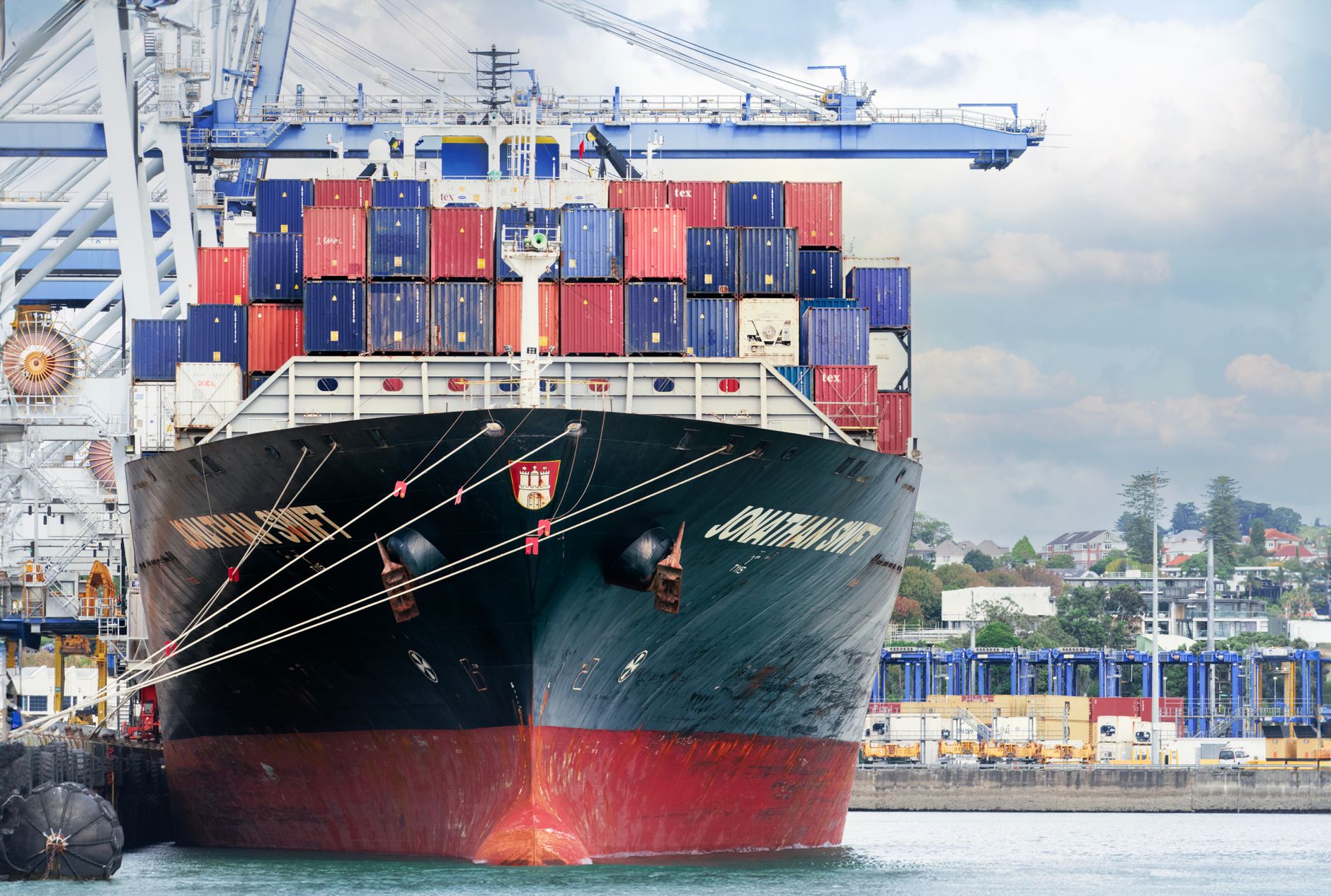
India New Zealand trade pact is expected to come into force from October 19, according to official sources. This agreement aims to strengthen bilateral trade relations between the two nations.
Overview of the India New Zealand Trade Pact
The recently finalized India New Zealand trade pact marks a significant advancement in bilateral relations between the two nations. This agreement is anticipated to come into effect on October 19, as confirmed by official sources. The pact aims to enhance trade and investment flows, opening up new avenues for businesses in both countries.
Key objectives of the trade pact include:
- Reducing tariffs on a wide range of goods, thereby promoting exports and imports.
- Facilitating easier market access for various sectors including agriculture, textiles, and technology.
- Strengthening cooperation in services, investment, and intellectual property rights.
Officials from both sides have expressed optimism about the potential economic benefits that are expected to arise from the agreement. Furthermore, the pact is seen as a step towards deeper strategic ties, which could enhance collaboration on various global platforms.
As the implementation date approaches, stakeholders are gearing up to leverage the opportunities presented by the India New Zealand trade pact.
Key Benefits of the Trade Agreement
The India New Zealand trade pact is poised to bring several key benefits that could enhance economic ties between the two nations. As both countries work towards strengthening their relationship, this agreement paves the way for numerous opportunities.
- Increased Market Access: The pact is expected to eliminate tariffs on a wide range of goods, allowing for smoother export and import processes.
- Boost in Bilateral Trade: With reduced barriers, the trade volume between India and New Zealand is anticipated to see significant growth, fostering economic collaboration.
- Investment Opportunities: The agreement opens doors for investments in various sectors, including technology, agriculture, and services, promoting innovation and development.
- Job Creation: As trade expands, job opportunities are likely to arise in both nations, benefiting local economies.
- Cultural Exchange: Enhanced trade relations will also support cultural exchanges, strengthening people-to-people connections.
Overall, the India New Zealand trade pact represents a clear step forward, with the potential to significantly impact both countries positively.
Timeline for Implementation
The implementation of the India New Zealand trade pact is set to begin on October 19, marking a significant milestone in bilateral relations. The agreement, which has been in the works for several years, aims to enhance trade and investment opportunities between the two nations.
Following the official announcement, a timeline for the rollout has been established, highlighting key phases:
- October 19, 2023: Formal commencement of the trade pact, allowing for the reduction of tariffs on various goods.
- November 2023: Initiation of trade facilitation measures aimed at streamlining customs procedures.
- December 2023: Launch of promotional campaigns to encourage businesses to explore new market opportunities.
- January 2024: Review period to assess the initial impact of the trade pact on bilateral trade flows.
This structured approach ensures that both countries can maximize the benefits of the trade agreement, fostering economic growth and cooperation.
Impact on Bilateral Trade
The India New Zealand trade pact is poised to significantly impact bilateral trade between the two nations. By eliminating tariffs on a wide range of goods, the agreement is expected to enhance trade volumes and foster economic growth. Industry experts predict that the pact will lead to an increase in exports from both countries, particularly in sectors such as agricultural products, textiles, and technology.
Moreover, the trade agreement is likely to stimulate investment opportunities, encouraging businesses to explore new markets and collaborate on innovative projects. This will not only strengthen commercial ties but also promote cultural exchanges and deepen mutual understanding.
Key stakeholders have expressed optimism regarding the economic benefits arising from the India New Zealand trade pact. New Zealand’s dairy and wine exports could see substantial growth, while India may benefit from increased demand for its IT services and pharmaceuticals. Overall, the pact represents a clear step forward in enhancing economic relations between India and New Zealand, paving the way for a more integrated and prosperous partnership.
Official Statements on the Pact
Officials from both India and New Zealand have expressed strong support for the newly finalized trade pact, emphasizing its potential to enhance economic relations. In a recent statement, India’s Commerce Minister noted that the India New Zealand trade pact signifies a major leap in bilateral ties, stating, “This agreement will pave the way for increased trade and investment, benefiting both nations.”
New Zealand’s Trade Minister echoed these sentiments, highlighting the importance of the pact in promoting mutual growth. “Our partnership will unlock new opportunities in various sectors, ranging from agriculture to technology,” he remarked. This collaboration is expected to boost exports, create jobs, and enhance consumer choices in both countries.
Both ministers underscored the commitment to implementing the pact efficiently, with officials working diligently to ensure that it comes into effect as planned. The agreement is seen as a crucial step in strengthening the ties between India and New Zealand, fostering a robust economic environment that encourages innovation and sustainability.
As the implementation date approaches, anticipation grows around the transformative impact of this agreement.
Photo by Miguel Cuenca on Pexels