









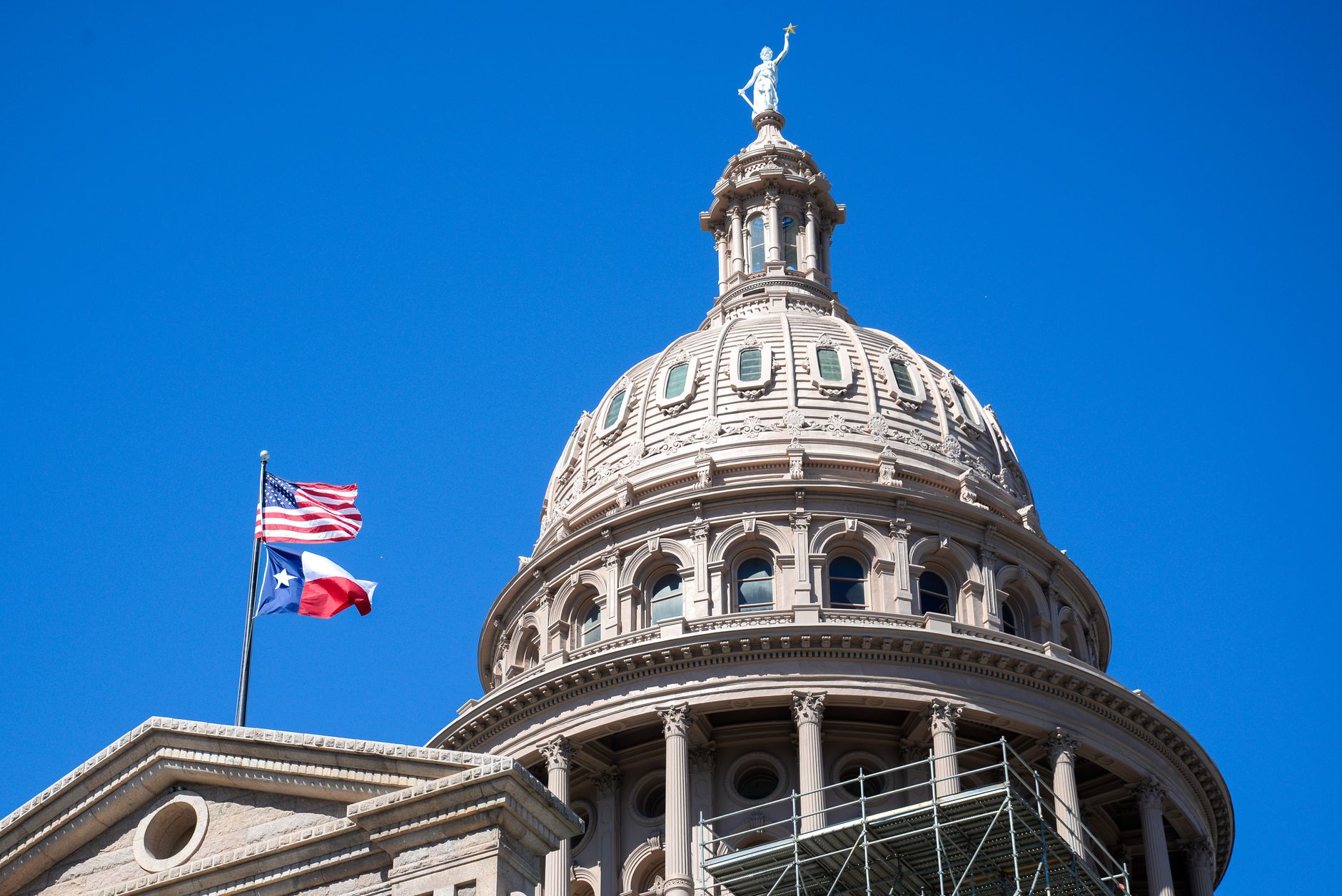
The Texas law professor collapse during class has sparked widespread concern. This incident highlights the urgent need for improved safety measures in educational environments.
Incident overview and details
On a routine day at a Texas law school, a shocking incident unfolded when a 73-year-old Texas law professor collapsed during class. The professor, known for his engaging lectures, suddenly fell to the ground, prompting immediate concern among students.
Witnesses reported that the professor stopped breathing shortly after his collapse, creating a chaotic scene as students rushed to help. Fortunately, a Navy SEAL veteran, who was attending the class, quickly sprang into action. He performed CPR, utilizing his training to stabilize the professor’s condition until emergency responders arrived.
The swift response of the veteran highlighted the importance of preparedness in emergency situations. As details emerge, the incident raises questions about the health and safety protocols in educational institutions. Students and faculty alike are left to ponder the implications of this shocking event, which serves as a reminder of the unpredictability of life and the need for immediate action during medical emergencies.
- Incident occurred during class.
- Professor collapsed and stopped breathing.
- Navy SEAL veteran provided critical assistance.
Response from students and faculty
The sudden collapse of a Texas law professor during class has sparked a wave of concern and support among students and faculty. Many were taken by surprise as they witnessed the alarming incident unfold.
Students described the atmosphere in the classroom as tense and frightening. One student stated, “It was just chaos. We didn’t know what to do at first.”
Faculty members expressed their shock and dismay, emphasizing the importance of a supportive community in times of crisis. Professor Jane Smith, a colleague of the affected law professor, remarked, “This is a reminder of our shared humanity. We are all feeling the impact of this event.”
In the wake of the Texas law professor collapse, many students have come together to offer support and resources for their peers. Faculty are also implementing measures to ensure mental health resources are available for those affected by the incident.
- Emergency counseling sessions have been scheduled.
- Students are encouraged to participate in group discussions.
- Faculty are reviewing safety protocols for classroom emergencies.
Health and safety protocols in classrooms
The recent incident involving a Texas law professor collapse has raised significant concerns regarding health and safety protocols in classrooms. With the well-being of both students and faculty at stake, it is crucial to evaluate existing measures in place to handle medical emergencies.
Many educational institutions have implemented basic safety protocols, yet the effectiveness of these measures can vary widely. In this case, immediate response to the professor’s collapse demonstrated both the strengths and weaknesses of current systems. Key elements of effective health and safety protocols include:
- First aid training: Ensuring that faculty and staff are trained to respond quickly to medical emergencies.
- Emergency contact procedures: Having clear guidelines for notifying emergency services when incidents occur.
- Access to medical equipment: Ensuring that classrooms are equipped with necessary medical supplies, such as automated external defibrillators (AEDs).
As discussions surrounding the Texas law professor collapse continue, it is imperative for institutions to reassess and strengthen their health and safety protocols to prevent future incidents.
Lessons learned from the Texas law professor collapse
The recent incident involving the Texas law professor collapse has raised significant concerns about health and safety in educational environments. As universities strive to create supportive atmospheres, several lessons can be drawn from this unfortunate event.
- Emergency Preparedness: Institutions must ensure that staff and students are trained to respond effectively to medical emergencies. Regular drills and training sessions can equip them with the necessary skills.
- Health Monitoring: Universities should consider implementing health checks or wellness programs that promote awareness of medical conditions, especially in older faculty members.
- Access to Medical Assistance: Classrooms should have easy access to first aid kits and automated external defibrillators (AEDs) to facilitate quick responses during emergencies.
- Open Communication: Encouraging an environment where students and faculty feel comfortable discussing health issues can help identify those who may need additional support.
Ultimately, the Texas law professor collapse serves as a reminder of the importance of prioritizing health and safety in academic settings.
The Texas law professor collapse has raised serious questions about the support systems in place for faculty well-being. Investigating the circumstances surrounding the Texas law professor collapse may reveal underlying issues that need to be addressed by the university administration.
Photo by Andrew Patrick Photo on Pexels